
Why Tree Planting Supports A Healthier Yard Long Term
What would your yard feel like in ten years if the smartest improvement you made today was not another quick fix, but a living feature that keeps giving back?
A healthy yard is built slowly. Grass, soil, shade, drainage, wildlife, and curb appeal all respond to the choices you make over time. Trees play a special role because they do more than fill space. They shape temperature, protect soil, frame outdoor areas, and make a property feel settled. We believe homeowners should think of new trees as long term yard planning, not simple decoration. When the right tree is placed in the right spot and cared for properly, it can support the entire landscape for years.
Table Of Contents
- Trees Help Your Yard Grow Into A Cooler, More Comfortable Space
- Tree Roots And Canopies Support Healthier Soil
- The Right Tree Can Improve Yard Structure And Curb Appeal
- Tree Selection Matters More Than Many Homeowners Expect
- Proper Planting Gives Young Trees A Stronger Start
- Long Term Tree Care Protects The Whole Yard
- Conclusion
- FAQs
Trees Help Your Yard Grow Into A Cooler, More Comfortable Space
Shade changes how a yard feels. It can make outdoor spaces more usable and help protect plants and soil from harsh sun.
Shade Makes Outdoor Areas Easier To Enjoy
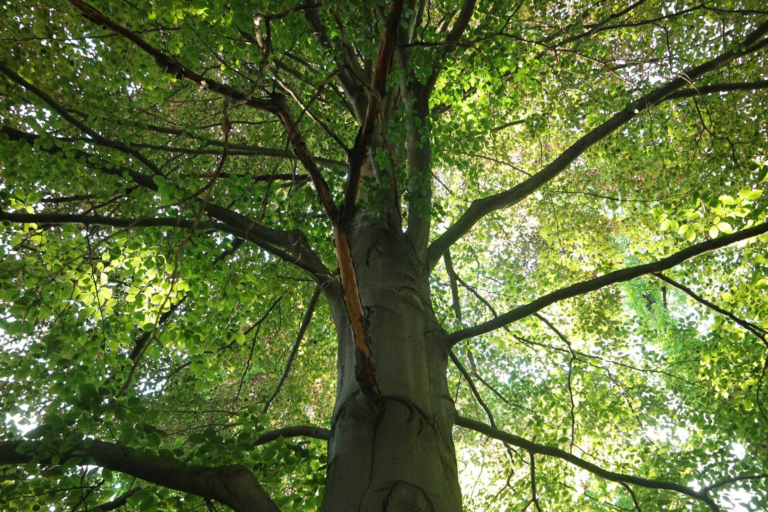
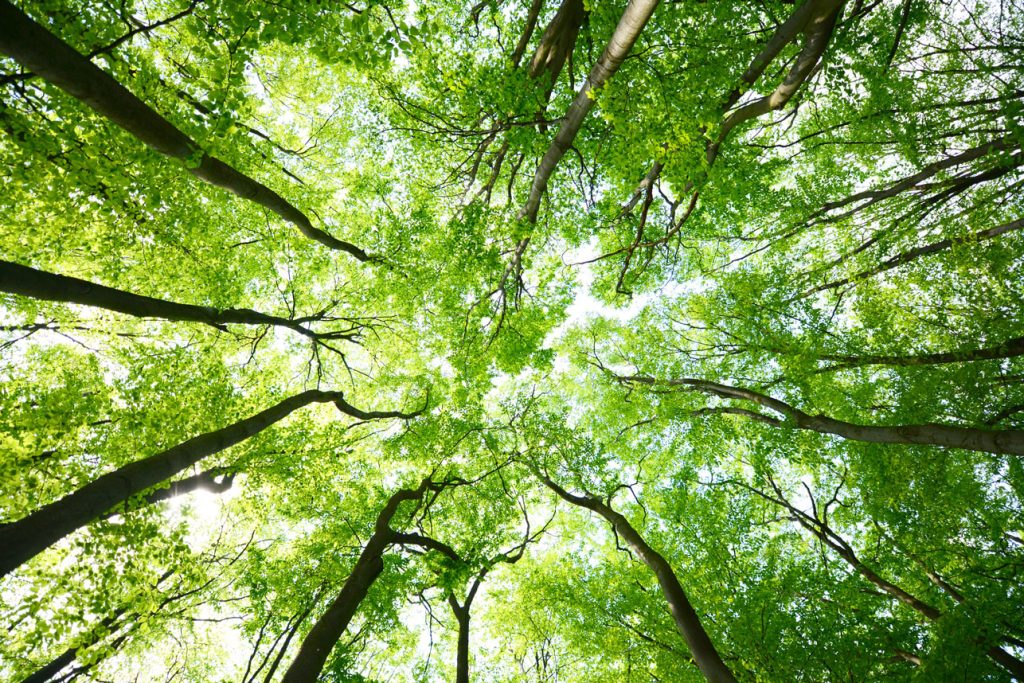
A young tree may start small, but its canopy can change how you use the yard. Shade can make a patio more comfortable, create a calmer play area, and soften the heat around walkways or sitting spaces.
You should think about where shade will fall in the morning and afternoon. A tree planted without considering sun patterns may miss the area you wanted to cool. Careful placement helps your yard feel better as the tree matures.
Cooler Soil Supports Nearby Plantings
Direct sun can dry soil quickly, especially during warm months. Trees can help slow that drying by shading sections of the ground. That can make nearby beds and turf easier to maintain when paired with the right plant choices.
You should not plant a tree too close to every flower bed, but you should think about how the canopy may support surrounding areas later.
Tree Roots And Canopies Support Healthier Soil
A yard depends on soil more than most people realize. Trees can help protect and improve the ground beneath your landscape.
Roots Help Hold Soil In Place
Sloped yards, bare patches, and areas near drainage paths can lose soil during heavy rain. Tree roots help hold the ground together as they spread and grow. This support can reduce erosion and help your yard stay more stable over time.
At Sure Wood Tree Service, tree placement is part of a bigger property picture. A tree should not be planted only where it looks nice today. It should also suit the soil, slope, and future growth.
Leaf Litter Adds Natural Renewal
Fallen leaves may feel like cleanup, but they also remind us that trees feed the landscape. When handled properly, organic matter can return nutrients to the soil and support a healthier yard ecosystem.
You should keep leaves from smothering turf or clogging drains, but you do not always need to treat them as waste. Mulched leaves can sometimes support planting beds when used correctly.
The Right Tree Can Improve Yard Structure And Curb Appeal
Trees give yards shape. They can frame views, soften hard edges, and make outdoor spaces feel more complete.
A Tree Can Anchor The Landscape
Some yards feel unfinished because nothing gives the space height or structure. A well placed tree can become a natural anchor. It can balance the house, create a focal point, or define the edge of an outdoor room.
You should consider the mature size before planting. A tree that looks perfect at six feet tall may become crowded later if the species was wrong for the space. Planning for maturity prevents future problems.
Seasonal Interest Keeps The Yard From Feeling Flat
Trees can bring spring flowers, summer shade, fall color, interesting bark, or winter form. Those features help the yard feel alive.
You do not need the showiest tree available. You need one that suits your property, climate, maintenance comfort, and long term goals.
Tree Selection Matters More Than Many Homeowners Expect
The wrong tree in the wrong place can create years of frustration. The right tree can become one of the most reliable parts of your landscape.
Match Species To Space And Conditions
Before planting, you should think about sunlight, soil moisture, drainage, overhead lines, buildings, sidewalks, driveways, and underground utilities. Roots and branches both need room.
Some trees prefer wetter soil. Others need better drainage. Some grow quickly but may be weaker, while others offer long lasting structure. Your yard will do better when the tree matches the conditions instead of fighting them.
Plan Around Future Maintenance
Every tree needs some level of care. Leaves fall, branches grow, roots expand, and pruning may be needed. That does not make trees a burden. It means you should choose with realistic expectations.
A tree that fits your yard will usually be easier to maintain than one squeezed into the wrong spot. Good selection protects your investment.
Proper Planting Gives Young Trees A Stronger Start
Planting is not just digging a hole and covering roots. The early steps affect how well the tree establishes itself.
Depth And Root Placement Matter
Planting too deep can stress a young tree. Roots need access to oxygen, water, and room to spread. The root flare should be visible, and the planting area should support outward growth.
This is where tree planting becomes a skill, not a weekend guess. You should pay attention to depth, soil backfill, mulch placement, and watering after installation.
Mulch And Watering Should Be Balanced
Mulch can help protect soil moisture and reduce competition from grass. Still, mulch piled against the trunk can cause problems. A proper mulch ring should keep material away from bark.
Watering also needs balance. Newly planted trees usually need steady moisture, but soggy soil can harm roots. You should follow a schedule that fits weather, soil, and species.
Long Term Tree Care Protects The Whole Yard
A tree is not finished once planted. Ongoing care helps it grow safely and support the rest of the landscape.
Early Pruning Guides Healthy Growth
Young trees can benefit from thoughtful pruning as they develop structure. Removing damaged, crossing, or poorly placed branches early can help prevent bigger problems later.
You should not overprune. Trees need leaves to make energy. The goal is careful guidance, not harsh cutting. When a tree is young, small corrections can make a big difference.
Watch For Stress Before It Spreads
Leaf discoloration, early leaf drop, cracking bark, fungal growth, dieback, or leaning can signal trouble. Some issues are minor, while others need professional attention before they affect safety or nearby plants.
Walk your yard regularly and notice changes. Early action can protect the tree and reduce the chance of damage to the rest of your property.
A Simple Checklist Before You Plant
Use this short review before adding a new tree.
- Choose a species that fits your soil, light, and space
- Check overhead lines, structures, sidewalks, and utilities
- Plan for mature height and canopy spread
- Water consistently during establishment
- Schedule pruning and inspections as the tree grows
This keeps the decision practical.

Conclusion
Tree planting supports a healthier yard because trees influence far more than appearance. They help cool outdoor spaces, protect soil, guide water, support wildlife, frame the landscape, and add structure that improves with age. A well chosen tree can make a yard feel more comfortable, balanced, and established year after year.
You should not rush the decision. Think about species, placement, mature size, soil conditions, drainage, utilities, and maintenance. A tree that fits the yard can become an asset. A tree planted carelessly can become crowded, stressed, or costly to correct.
The strongest results come from looking beyond the first season. A new tree may be small today, but it is part of your future yard. With proper planting and ongoing care, it can support shade, beauty, stability, and healthier outdoor living.
If your yard feels bare, hot, uneven, or disconnected, a thoughtfully placed tree may be one of the most useful improvements you can make.
FAQs
These answers can help homeowners plan a healthier yard.
When is the best time to plant a tree?
Spring and fall are often good times because temperatures are milder and roots can begin establishing before extreme weather. Local conditions should guide the final timing.
How do I choose the right tree for my yard?
Match the tree to your sunlight, soil, drainage, space, utility lines, and maintenance goals. Mature size matters more than the tree’s size at planting.
How often should a new tree be watered?
New trees usually need consistent watering during establishment. The amount depends on weather, soil type, tree species, and rainfall.
Can trees help with drainage problems?
Trees can support soil stability and water absorption, but they may not solve major drainage issues alone. Severe problems may need grading or drainage work too.
When should a young tree be pruned?
Pruning can begin after the tree has started establishing, especially to remove damaged or crossing branches. Avoid heavy pruning unless recommended by a tree care professional.
Tree Planting That Helps Your Yard Grow Stronger For Years
→ Choose the right tree for your space and soil
→ Plant with care for healthier root growth
→ Support shade, beauty, and long term yard health
★★★★★ Rated 4.9/5 by 63+ Satisfied Clients
Related Articles: