How To Spot Dead Branches Before They Fall On Property
What does a quiet branch above your driveway know before the next wind tells the whole yard?
Dead branches do not always look dramatic. Some hang in plain sight, dry and bare. Others stay tucked inside the canopy, hidden behind healthy leaves until weather or decay makes them drop. Checking your trees before a branch falls is not about fear. It is about paying attention to small signs while you still have time to choose wisely early enough.
Table Of Contents
- Why Dead Branches Deserve A Closer Look
- Visual Clues You Can Check From The Ground
- Where Dead Branches Hide In A Tree
- Safe Checks You Can Do Before Calling Anyone
- When Dead Branches Point To A Bigger Problem
- Conclusion
- FAQs
We want you to understand what dead limbs look like, where they hide, and when a tree needs a closer inspection. A branch over an open lawn is one concern. A branch above a roof, walkway, car, fence, or play area is another. The same dead limb can carry a different level of risk depending on what sits below it.
Why Dead Branches Deserve A Closer Look
A dead branch is no longer moving water and nutrients the way a living branch should. Over time, the connection between the branch and tree can weaken.
That matters because a branch does not have to be huge to cause damage. Smaller limbs can dent gutters, crack siding, tear screens, damage vehicles, or injure someone walking underneath.
The Risk Changes With Location
Where the branch sits matters as much as how it looks. A dead limb over a back corner of the yard may call for regular monitoring. A dead limb over your front steps deserves faster action.
You should also think about how people use the space. Do children play nearby? Do you park under the canopy? Does a walkway run below the tree? Risk increases when dead wood hangs over places you use every day.
Visual Clues You Can Check From The Ground
One of the easiest clues is leaf behavior. During the growing season, a dead branch may stay bare while the rest of the tree leaves out. In fall, some dead limbs may hold dry brown leaves long after healthy branches have dropped them.
You should compare one branch with the rest of the same tree, not only with nearby trees.
Bark That Peels Or Looks Loose
Dead branches often lose firm bark attachment. You may notice peeling, cracking, flaking, or patches where the wood looks exposed. Sometimes the bark appears gray, dry, or sunken compared with healthier limbs.
Loose bark does not always mean immediate danger, but it is worth noting. If bark issues appear along with bare twigs, cracks, or fungus, the branch needs professional attention before it becomes a surprise.
Branches That Snap Instead Of Bend
Living twigs usually have some flexibility. Dead twigs often snap cleanly and feel dry inside. You can test only small, reachable twigs from the ground, but you should never climb a tree or pull on a large limb to prove a point.
If a small twig breaks and shows dry brown wood inside, that section may be dead. If the inner layer is green or moist, the branch may still be alive.
Where Dead Branches Hide In A Tree
The top of the tree takes a lot of weather. Sun, wind, ice, and storm damage can leave upper branches stressed or broken. Because these limbs are high, they are easy to miss until one falls.
You can step back from the tree and look at its outline. Are there bare sticks above a full canopy? Is one section thin while the rest looks normal? These signs deserve a closer look.
The Inner Crown
Dead branches hide inside the canopy. Leaves on the outside can make the tree look full while dead wood remains in the middle. This is common in crowded trees where sunlight and airflow are limited.
Ask yourself whether the tree looks healthy only from far away.
The Side Facing Stress
Sometimes one side of a tree shows more dead wood than the other. This can happen near construction activity, compacted soil, past storm damage, root disturbance, or heavy shade.
If one side of the canopy is thinning, it may point to more than a branch issue. We pay attention to patterns because a single dead limb is different from a section of decline.
Safe Checks You Can Do Before Calling Anyone
You do not need special tools to make a ground level inspection. You do need patience and safe limits.
- Walk around the tree after calm weather and after storms
- Look for bare limbs, hanging branches, cracks, and peeling bark
- Check what sits under the branch, including roofs and parking areas
- Watch whether the same area drops twigs or bark repeatedly
- Take photos from the same spot so changes are easier to compare
What You Should Not Do
You should not stand under a suspicious branch and shake it. You should not climb the tree, use a ladder near unstable limbs, or cut heavy branches without proper equipment. You should also avoid working near utility lines.
A falling limb can move in ways that are hard to predict. If the branch is large, high, cracked, or over something valuable, keep your distance and get guidance.
When Dead Branches Point To A Bigger Problem
Dead branches can be isolated, but they can also be a symptom. Look at the trunk for cracks, cavities, mushrooms, oozing spots, missing bark, or soft areas. These signs may suggest decay or structural weakness.
One dead branch does not always mean the tree is failing. Several dead branches combined with trunk damage should be taken seriously.
Repeated Limb Drop
If your tree keeps dropping branches, even small ones, do not ignore the pattern. Repeated shedding can mean the canopy is stressed, overextended, diseased, or damaged from past storms.
Property owners often notice the ground first. If you keep clearing sticks from the same tree, the canopy may be telling you something.
Root And Soil Changes
Roots support everything above them. If the soil is lifting, cracking, washing away, or staying unusually soft near the base, the tree may be losing stability. Exposed or damaged roots can also affect branch health.
A tree with dead branches and root concerns needs more than a quick trim. It needs a careful look at the whole structure.
Pruning May Be Enough
Many dead branches can be removed through pruning. This reduces risk while helping the tree keep a cleaner structure. The cut should protect the branch collar and avoid unnecessary damage to healthy wood.
Good pruning is not about stripping the tree. It is about removing what no longer supports health or safety.
Removal May Be Safer In Some Cases
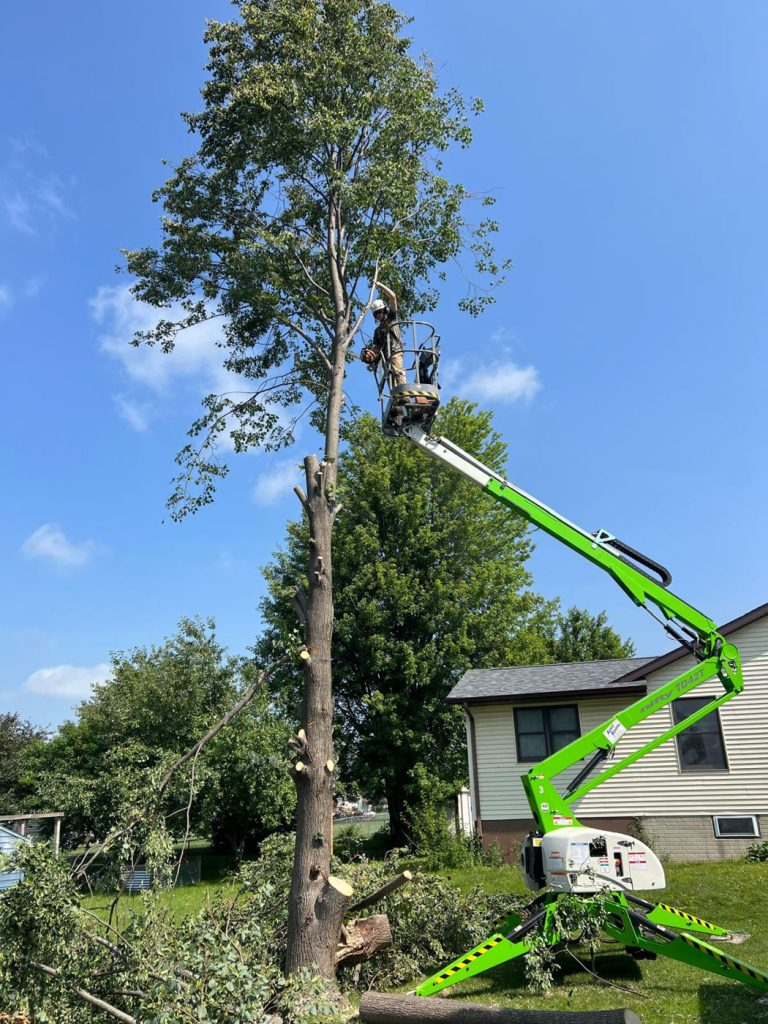
Sometimes the issue is not one branch. If a tree has major decay, severe lean, widespread dead wood, or damage near the trunk, tree removal may be the safer long term choice.
The goal is not to remove trees that can be preserved. The goal is to protect property and the people who use it. Sure Wood Tree Service can help you understand whether a branch can be pruned or whether the whole tree needs a different plan.
Conclusion
Dead branches rarely become dangerous all at once. They usually give clues first. Bare limbs, peeling bark, brittle twigs, cracks, repeated debris, and thinning sections can all tell you that something is changing in the tree.
You should make tree checks part of your regular yard routine, especially after storms and before heavy seasonal weather. Keep your inspection on the ground, notice what sits below the branch, and avoid risking yourself cutting when the limb is large or high.
A safer property often starts with noticing one branch before gravity makes the decision for you.
Frequently Asked Questions
How can you tell if a branch is dead or just dormant?
A dead branch often stays bare during the growing season, has dry brittle twigs, and may show brown wood under the bark. Dormant branches usually still have flexible twigs or healthy buds.
Should dead branches always be removed?
Most dead branches should be removed when they create a safety concern, block healthy growth, or hang over property. Small dead twigs in low risk areas may be less urgent, but they should still be monitored.
Is it safe to cut dead branches yourself?
Small branches reachable from the ground may be manageable with proper tools. Large, high, cracked, or hanging branches should not be handled without trained help because they can fall unpredictably.
Why do dead branches fall during storms?
Wind, rain, ice, and snow add movement and weight to weakened wood. A branch that looks stable in calm weather may fail once weather puts pressure on the weak connection.
Can a tree survive if it has dead branches?
Yes, many trees can survive after dead branches are removed. The outcome depends on how much dead wood is present and whether the trunk, roots, and remaining canopy are healthy.
Spot Risky Dead Branches Before They Damage Your Property
→ Find weak, dead, or hanging limbs before they fall
→ Protect your roof, driveway, yard, and outdoor spaces
→ Get safe guidance on pruning or removal before storms hit
Connect with Sure Wood Tree Service to schedule a tree inspection before one branch becomes costly →
★★★★★ Rated 4.9/5 by 63+ Satisfied Clients
Related Articles: