
How Regular Tree Trimming Keeps Branches Under Control
What happens when one overgrown branch stops being part of the shade and starts becoming the reason you avoid parking in your own driveway?
Trees add beauty, privacy, shade, and character to a property. They also keep growing whether you pay attention or not. Branches can stretch toward roofs, scrape siding, block sidewalks, hang over play areas, or crowd other plants. Regular trimming helps guide that growth before it becomes frustrating or unsafe. We believe tree care should be proactive, practical, and based on what each tree needs. When branches are managed at the right time, your yard looks cleaner, your property feels safer, and your trees grow with strength and balance.
Table Of Contents:
- Branch Control Starts With Seeing Growth Early
- Trimming Helps Trees Hold A Better Shape
- Timing And Technique Matter More Than Guesswork
- Homeowners Should Know What Not To Cut
- Consistent Tree Care Keeps Branches From Taking Over
- Conclusion
- FAQs
Branch Control Starts With Seeing Growth Early
Tree branches rarely become a problem overnight. They usually give small signs long before they become heavy, crowded, or too close to structures.
Small Branches Are Easier To Manage
A young branch growing in the wrong direction is easier to correct than a large limb that has already become part of the canopy. Regular trimming gives you a chance to guide shape before the tree invests more energy into poor structure.
You should walk around your yard and look upward, not only across the lawn. Notice branches growing toward the roof, into each other, over walkways, or across driveway sightlines. Early attention can prevent tougher decisions later.
Waiting Often Makes The Job Harder
When trimming is delayed for years, branches become heavier and cuts become larger. Large cuts can be harder on the tree and may require careful planning.
At Sure Wood Tree Service, we see trimming as a way to stay ahead of avoidable problems. It is not only about appearance. It is about keeping growth manageable while the tree can still respond well.
Regular Trimming Protects The Space Around Your Home
Branches that touch or crowd structures can create ongoing irritation. A controlled canopy helps your home and outdoor areas stay easier to use.
Roofs, Gutters, And Siding Need Clearance
Branches that rub against shingles, gutters, windows, or siding can cause wear over time. They may also drop leaves and twigs into places you would rather keep clear.
You should pay attention when branches begin brushing the house during wind. That movement can damage surfaces and make storms more stressful. Good clearance gives both the tree and home more breathing room.
Walkways And Driveways Should Stay Open
Low limbs can make mowing harder, block visibility, or force people to duck while walking. Branches over driveways can scrape vehicles or drop debris where people pass daily.
A well trimmed tree should fit the way your property is used. If a branch changes how you park, walk, or work in the yard, it may be time to address it.
Trimming Helps Trees Hold A Better Shape
A tree does not need to look perfectly formal to look cared for. The goal is a natural, balanced shape that supports healthy growth.
Balanced Canopies Handle Weight Better
Branches that grow too heavy on one side can affect the overall structure. A crowded canopy can also hide weak limbs, crossing branches, or deadwood that should be removed.
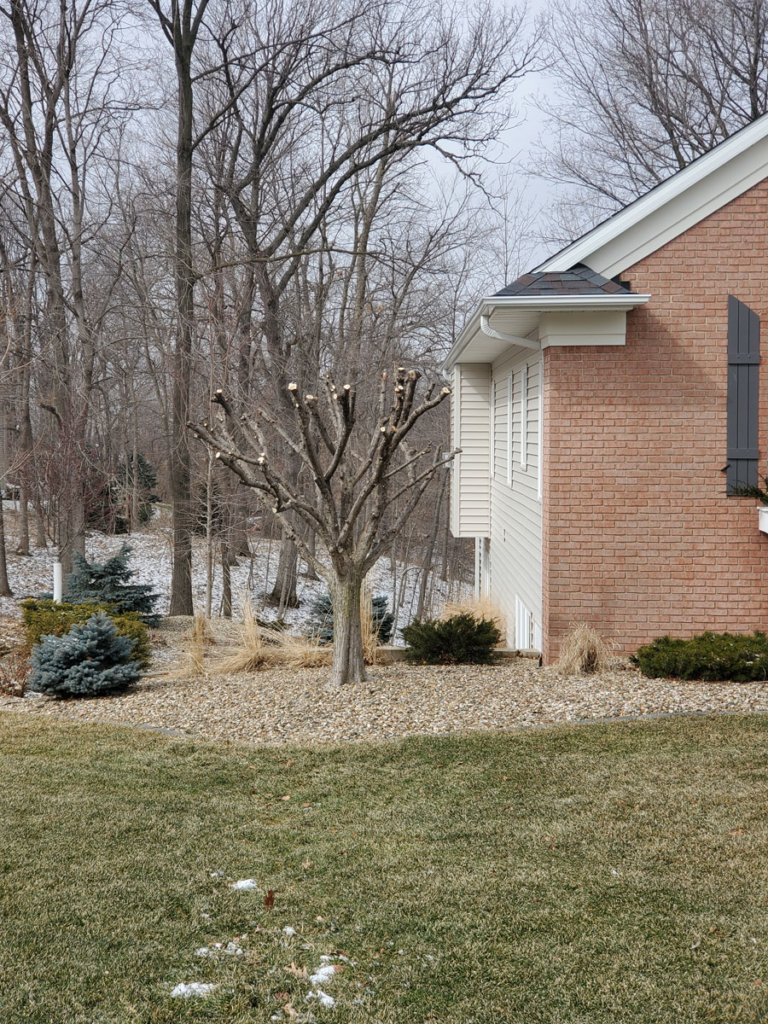
Regular tree trimming helps reduce unwanted weight and improves the form of the tree without stripping away its character. You should avoid topping or harsh cuts that leave the tree stressed and unnatural.

Good Shape Improves Curb Appeal
A clean canopy can make a yard feel more open, neat, and intentional. It can also reveal the shape of the tree, the front of the home, and the landscape around it.
You do not need to remove every branch that looks imperfect. A thoughtful trim respects the species, age, and natural growth habit of the tree.
Dead, Damaged, And Crowded Branches Need Attention
Some branches are more than messy. They can interfere with the health and safety of the tree and the property around it.
Deadwood Should Not Be Ignored
Dead branches can break more easily, especially during wind, rain, or winter weather.
You should not assume a dead branch will fall harmlessly. Where it hangs matters. Deadwood above patios, driveways, roofs, or play areas deserves timely attention.
Crossing Branches Can Create Weak Spots
When branches rub together, bark can wear away. That damage may create openings where decay or pests can become a concern.
Removing or shortening the right branch can reduce rubbing and improve structure.
Timing And Technique Matter More Than Guesswork
Tree trimming should not be random. The timing, tools, and cuts can affect how the tree responds.
Different Trees Have Different Needs
Some trees respond best to trimming during dormant seasons. Others may need care after flowering or when damaged branches appear. The right timing depends on the species, condition, and goal.
You should not cut simply because the branch bothers you on a Saturday afternoon. If the tree is stressed, diseased, or near utilities, the decision needs more care.
Poor Cuts Can Create New Problems
Cuts made too close, too far from the branch collar, or in the wrong place can slow healing. Removing too much at once can also stress the tree and encourage weak regrowth.
This is where professional attention matters. Proper trimming protects branch structure, reduces hazards, and helps the tree keep a natural shape.
Homeowners Should Know What Not To Cut
It is helpful to understand basic branch control, but not every trimming job belongs on a ladder with borrowed tools.
Leave Large Or High Branches To Trained Crews
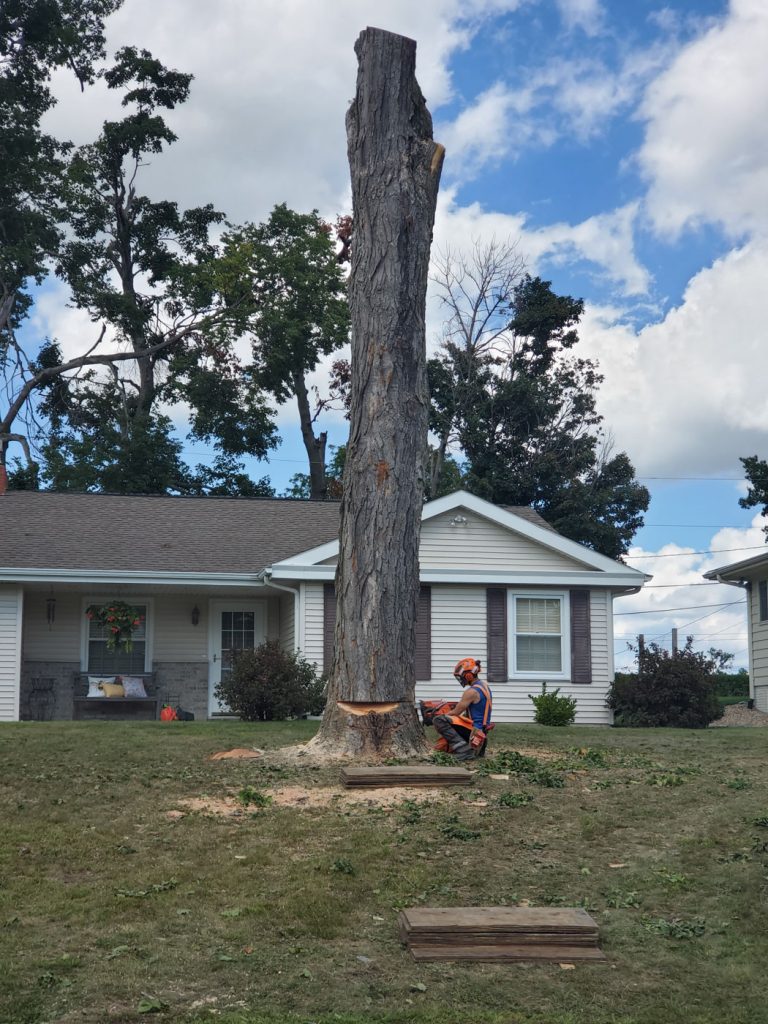
Large limbs are heavy and unpredictable. Branches near power lines, roofs, fences, or busy areas can create serious risks if handled incorrectly.
You should not climb into a tree or cut overhead limbs without the right training and equipment. Mistakes can cost far more than proper service.

Use A Simple Review Before Scheduling Service
Before calling for help, take a calm look at the tree and the space around it.
- Note branches touching the home, roof, gutters, or windows
- Look for dead, cracked, hanging, or storm damaged limbs
- Check whether branches block walkways, driveways, or signs
- Notice crowded areas where branches rub or cross
- Think about shade, privacy, and the shape you want to keep
This short review helps you explain what you are seeing without turning the yard into a checklist.
Consistent Tree Care Keeps Branches From Taking Over
Branch control works best as an ongoing habit. A tree that is reviewed regularly is easier to manage than one ignored until it feels overwhelming.
Routine Care Reduces Big Surprises
Storms, fast growth, and seasonal changes can expose branch problems. Regular trimming reduces unmanaged growth and helps you catch concerns sooner.
That does not mean every tree needs cutting every year. It means your trees should be observed and cared for on a schedule that fits their growth, species, and location.
Control Should Still Respect The Tree
A good trim should leave the tree looking like itself, only safer and more balanced. Too much cutting can weaken the canopy, reduce shade, and create stress.
The goal is control, not punishment. Your tree is a living part of the property. It should be guided with patience, not forced into a shape that ignores how it naturally grows.
Conclusion
Regular trimming keeps branches under control by managing growth before it reaches roofs, walkways, driveways, power lines, and other vulnerable areas. It also helps trees maintain better shape, reduces dead or crowded limbs, and makes the yard easier to enjoy.
You should not wait until a branch breaks, scrapes the house, or blocks your daily routine. A steady approach gives you more options and often allows smaller, cleaner corrections. It also helps protect the health and appearance of the tree.
Good trimming is not about cutting as much as possible. It is about knowing what to remove, what to shorten, and what to leave alone. With the right care, branches can stay managed without taking away the shade, beauty, and value your trees bring to the property.

A controlled canopy makes your yard feel safer, cleaner, comfortable, and better cared for, and easier to enjoy through all seasons.
FAQs
How often should trees be trimmed?
Most trees should be inspected regularly, but trimming frequency depends on species, age, health, location, and growth rate. Some need attention more often than others.
What branches should be removed first?
Dead, damaged, diseased, rubbing, hanging, or poorly placed branches should usually be reviewed first, especially when they threaten people, structures, or access areas.
Can trimming hurt a tree?
Yes, poor trimming can stress a tree, create weak regrowth, or slow healing. Proper cuts and timing help reduce that risk.
Is it safe to trim branches near power lines?
No. Branches near power lines should be handled by qualified crews or the utility provider. Homeowners should stay away from electrical hazards.
What is the difference between trimming and topping?
Trimming selectively manages growth and structure. Topping removes large sections of the canopy harshly and can weaken or damage the tree.
Tree Trimming That Keeps Your Yard Safer And More Manageable
→ Control overgrown branches before they cause problems
→ Improve clearance around roofs, walkways, and driveways
→ Keep trees shaped, healthy, and easier to maintain
★★★★★ Rated 4.9/5 by 63+ Satisfied Clients
Related Articles: