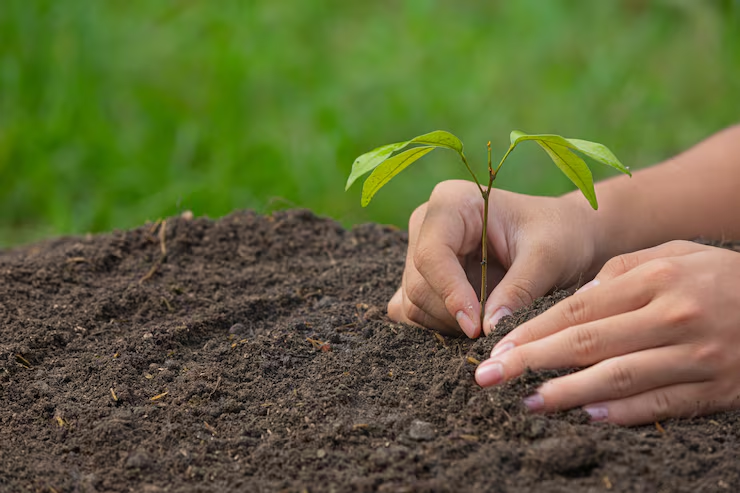

Best Tree Services To Schedule Before Storm Season
What is the smartest thing you can do for your trees before the sky turns dark and the wind starts pushing everything sideways?
Storm preparation often starts with windows, gutters, and outdoor furniture. Trees absolutely belong in that same conversation. When limbs are weak, trunks are damaged, or canopies are overcrowded, storm season can turn a manageable issue into fallen branches, property damage, blocked driveways, or even safety hazards near roofs and power lines. The best time to deal with tree risk is before severe weather arrives, not after it has already exposed every weak point.
Table Of Contents
- Why Storm Season Exposes Problems You May Not Notice
- Tree Inspection Should Come First
- Pruning Is One Of The Most Useful Preventive Services
- Tree Removal Can Be The Right Preventive Decision
- Stump Grinding Still Matters Before The Weather Turns
- Long Term Care Also Plays A Role In Storm Readiness
- The Best Time To Schedule Service Is Before You Feel Urgent
- FAQs
That is why certain tree services matter more than others before storm season. Pruning, inspections, removal of dead or failing trees, stump grinding after removals, and strategic long term care can all reduce risk when storms move in. Sure Wood Tree Service provides tree removal, trimming, pruning, stump grinding, and planting in the Cedar Rapids and Marion area, and it also notes that two trees are planted for every tree removed.
Why Storm Season Exposes Problems You May Not Notice
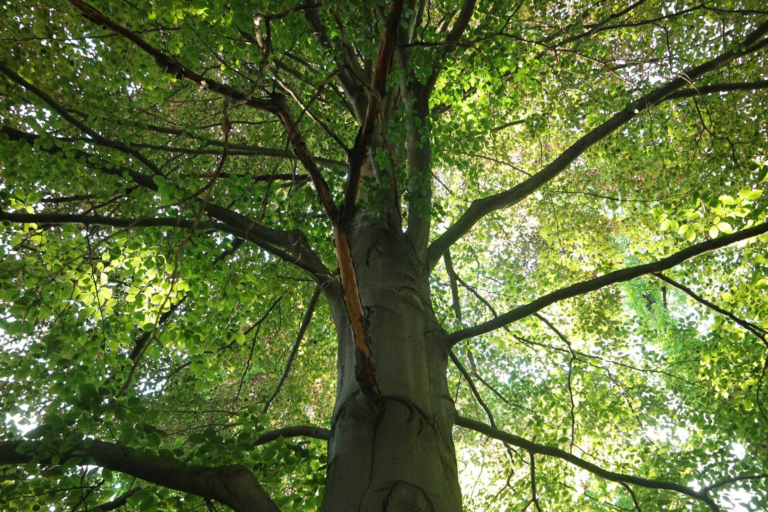
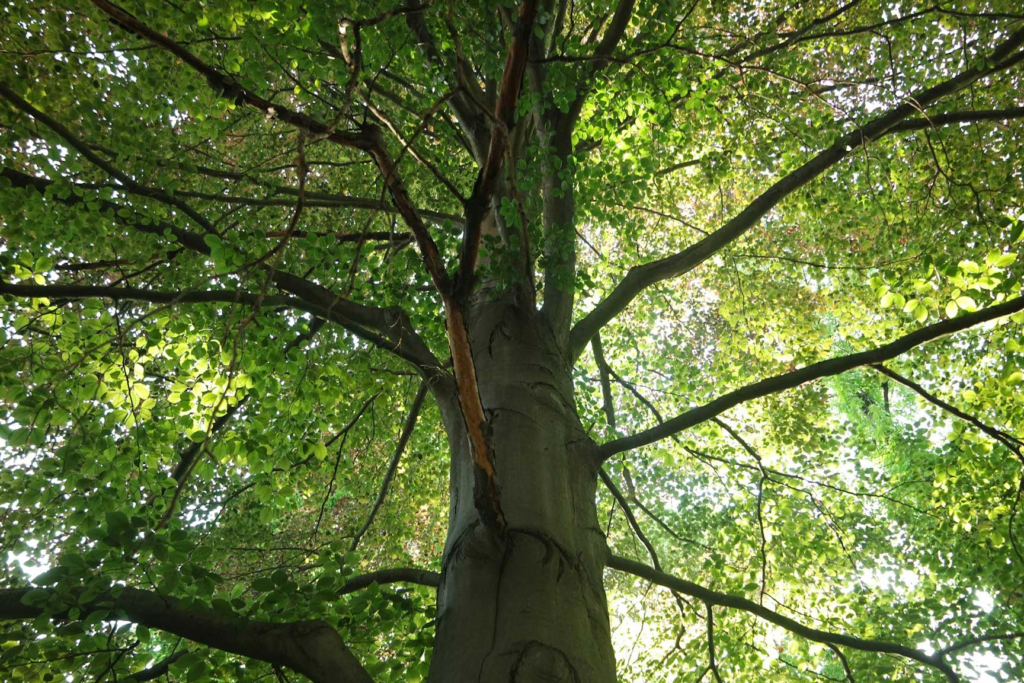
A tree can appear healthy and still have weaknesses that show up only under stress. Dead branches, poor branch unions, internal decay, and imbalance in the canopy may not be obvious until heavy rain or strong wind puts pressure on them. Purdue Extension notes that trees should be inspected regularly and that further inspections are important after major weather events, especially when decline or dieback is present.
Storm Damage Usually Starts With Conditions That Were Already There
Could that branch that snapped in a storm have been warning you for months?
Often, yes. Illinois Extension advises removing dead branches or dead trees immediately because dead wood is dry, brittle, and more likely to snap in high winds. Guidance on trees and storms also recommends watching for broken, dying, diseased, dead, or crossing branches because those defects increase failure risk.
Tree Inspection Should Come First
Before scheduling any cutting or cleanup, it helps to know what you are dealing with. A tree inspection can reveal deadwood, decay, lean, bark issues, branch structure problems, and other warning signs that may not stand out to a homeowner. Purdue Extension recommends regular inspection during both the growing season and dormancy, with added attention after bad weather.
This first step matters because not every tree needs the same response. Some need light pruning. Some need closer monitoring. Others are already declining enough that removal becomes the safer choice before storm season intensifies.
Inspections Help You Act Before Demand Spikes
Storm season creates urgency, and urgency usually creates longer wait times. If you schedule an inspection early, you have more time to make smart decisions instead of rushing after the forecast changes. Tree care guidance focused on storm preparation commonly recommends checking for problems before the season ramps up so hazards can be addressed in advance.
Pruning Is One Of The Most Useful Preventive Services
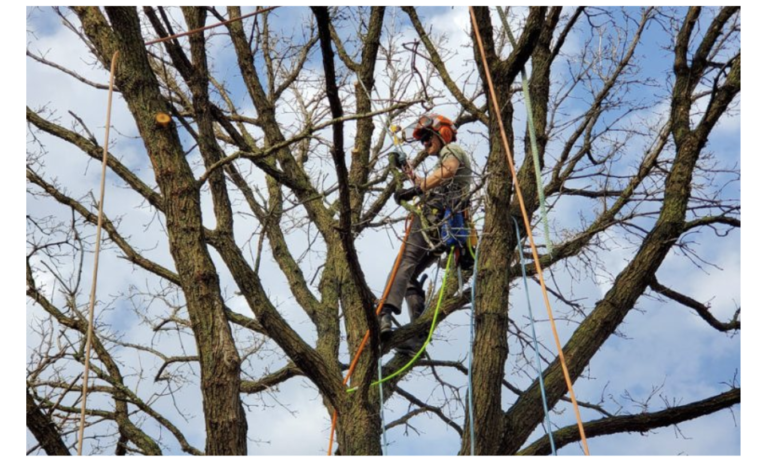
Pruning is one of the most practical services to schedule before storms because it removes the parts of a tree most likely to fail first. Dead, diseased, damaged, and rubbing branches can become dangerous when wind and water load increase. Illinois Extension specifically recommends removing dead branches right away rather than waiting for a better season.
Smart Pruning Is Better Than Heavy Pruning
There is a difference between strategic pruning and overcutting a tree. Storm preparation does not mean stripping the canopy or making aggressive cuts everywhere. General storm tree care guidance advises pruning and thinning carefully so wind can move through the canopy more easily without weakening the tree. Other pruning guidance warns against topping and against excessive cuts that create more stress and future problems.
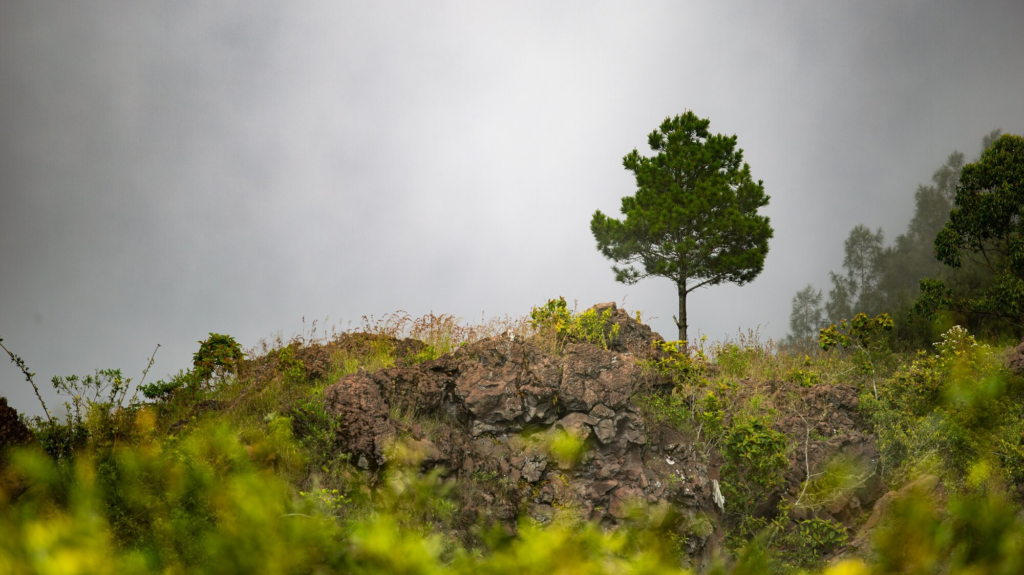
For clients, this is where trained professionals matter. The goal is to reduce risk while preserving health and structure.
Tree Removal Can Be The Right Preventive Decision
Not every tree should be preserved through another storm season. When a tree has major structural defects, severe decline, large dead sections, or a dangerous lean near a home or driveway, removal may be the safer path. Sure Wood Tree Service’s own homeowner guidance highlights warning signs that a tree may need removal to protect people and property.
Removing a hazardous tree before storms arrive is often safer than waiting until it fails during bad weather.
Removal Can Also Protect Healthier Trees Nearby
A failing tree does not only threaten structures. It can damage nearby healthy trees when limbs fall or roots lift during a storm. Taking out one dangerous tree can prevent a chain reaction of damage across the yard, especially in tight spaces where crowns overlap.
Sure Wood Tree Service emphasizes safe removal, expert trimming, stump grinding, and planting support for homeowners and businesses in eastern Iowa.
Stump Grinding Still Matters Before The Weather Turns
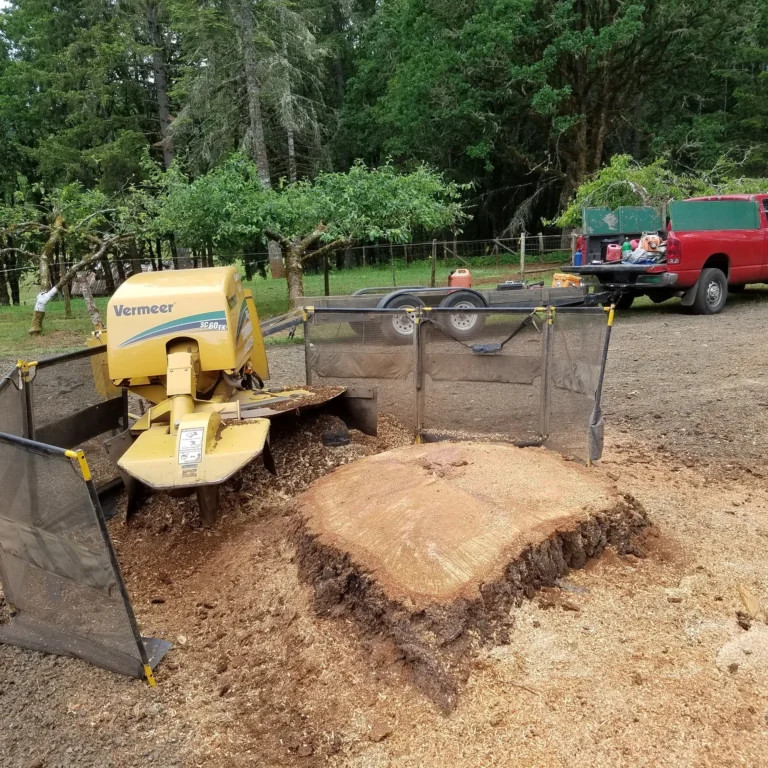
Stump grinding is not always the first service people associate with storm prep, but it can still be worth scheduling if an old stump is creating a tripping hazard, interfering with drainage, or getting in the way of cleanup access. After a tree is removed, leaving the stump behind can make the yard harder to use and harder to restore if storms create debris or standing water.
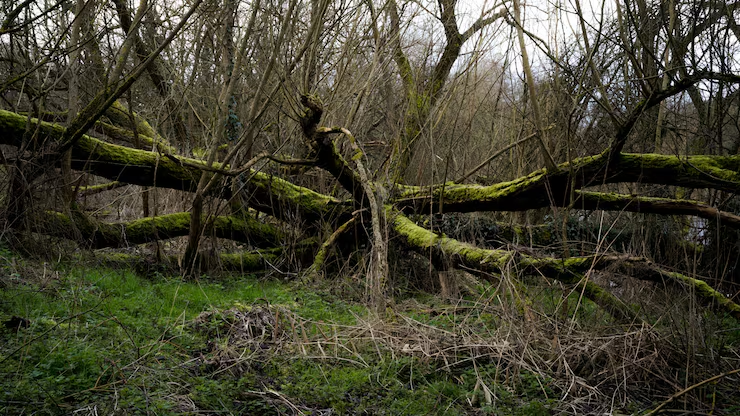
Sure Wood Tree Service includes stump grinding among its core services and describes it as a way to remove hazards and restore usable landscape space.
A Cleaner Yard Is Easier To Manage During Storm Season
When storm cleanup becomes necessary, access matters. Equipment, debris hauling, and emergency work all go more smoothly when the landscape is not cluttered with old stumps or obstructed zones left behind from earlier removals.
Long Term Care Also Plays A Role In Storm Readiness
One of the best ways to reduce future storm damage is not always emergency work. Sometimes it is patient routine care done over time. Guidance on trees and storms recommends favoring well spaced branches and stronger attachment angles because those are less likely to split or fail. Better Homes and Gardens also notes that training young trees and maintaining a single central stem can improve storm resistance.
That is where ongoing care becomes valuable. Trees that are guided early tend to handle weather better later.
Healthy Growth Choices Matter Too
What kind of yard holds up better in storms, one built around neglected trees or one managed with long term intention?
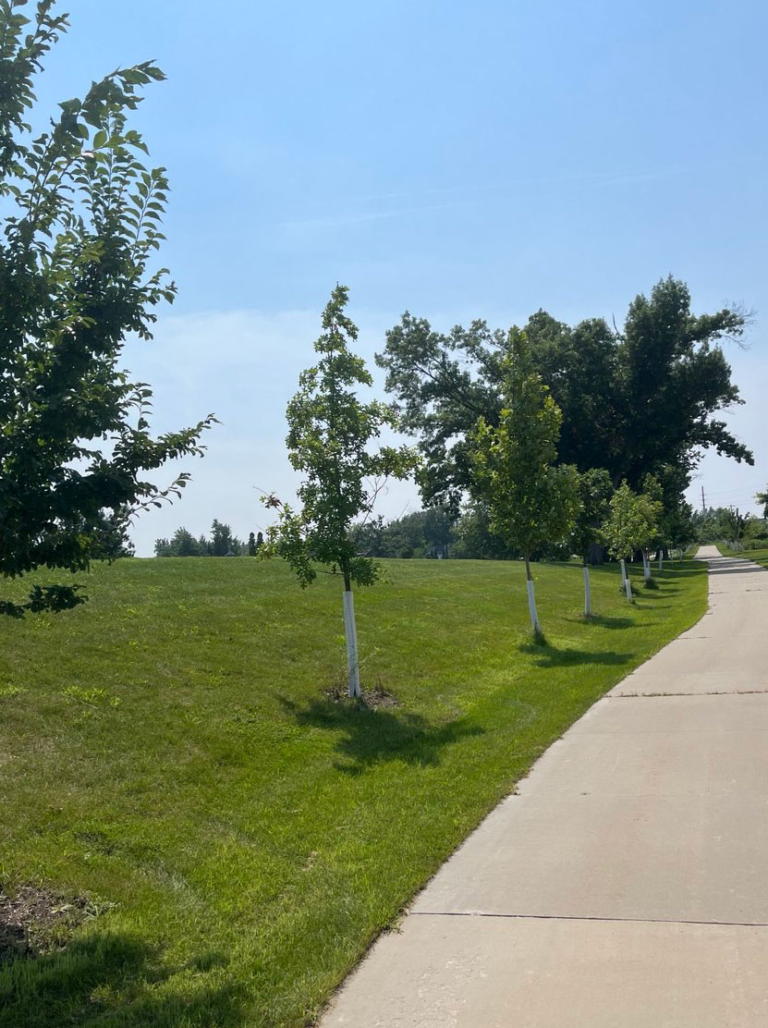
The answer is usually the second one. Long term planning can include canopy management, species selection, and tree planting in the right locations so future trees have room to develop strong roots and balanced structure. Better Homes and Gardens notes that planting distance, root care, and proper establishment all influence how trees respond to severe weather over time.
The Best Time To Schedule Service Is Before You Feel Urgent
Waiting until a storm watch is issued usually means you are already late for preventive work. The best tree services to schedule before storm season are the ones that lower failure risk before your yard is tested. That usually starts with inspection, then moves into targeted pruning, removal where necessary, stump grinding where it improves safety or access, and longer term care that supports stronger structure over time.
For homeowners, that approach is much more practical than reacting after damage has already occurred. The goal is to make sure your trees are less likely to become part of the problem when weather turns rough. That is why pre-season planning matters. It protects property, reduces avoidable hazards, and gives you a better chance of getting through storm season with fewer surprises.
FAQs
What tree service should come first before storm season?
A professional inspection usually comes first because it helps identify which trees need pruning, removal, or closer monitoring before storms arrive.
Should dead branches be removed right away?
Yes. Dead branches are more brittle and more likely to snap in wind, so they should be addressed promptly.
Is pruning enough to make a tree storm safe?
Not always. Pruning can reduce risk, but trees with severe defects, decay, or dangerous lean may still need removal.
Does stump grinding matter for storm preparation?
It can. Grinding old stumps can remove tripping hazards, improve access, and make the yard easier to manage during cleanup or emergency work.
When should tree work be scheduled before storm season?
Earlier is better. Scheduling inspections and preventive work before severe weather becomes frequent usually gives you more options and less urgency.
Storm Season Tree Care That Helps Protect Your Property Before Problems Start
→ Schedule pruning, removal, and cleanup services before severe weather puts more stress on your trees
→ Get practical support for dead limbs, risky trees, and other hazards around your yard
→ Work with a team that helps you prepare your landscape with safety and long-term care in mind
Connect with Sure Wood Tree Service to get your trees ready before storm season picks up →
★★★★★ Rated 4.9/5 by 63+ Satisfied Clients