Top Ten Tree Care Tips For Marion Homeowners
What would your trees say if they could warn you before the next strong Iowa wind tested every branch? In Marion, tree care is not just about a tidy yard. It is about shade, safety, drainage, curb appeal, and protecting the people who use your outdoor space every day. We know homeowners want simple guidance that makes sense without turning every leaf spot into a crisis.
This guide shares practical steps you can use throughout the year, from spring growth to winter ice, so your trees stay stronger and your property stays safer. That steady attention is what keeps small seasonal issues from becoming stressful, expensive surprises after the next storm arrives.
Table Of Contents
- Why Tree Care Matters In Marion Yards
- Ten Tree Care Tips Marion Homeowners Can Use
- When Tree Problems Should Not Wait
- Simple Seasonal Habits That Make Tree Care Easier
- Conclusion
- FAQs
Why Tree Care Matters In Marion Yards
Marion homeowners deal with changing seasons, compacted neighborhood soils, busy streets, mature lots, and storms that can stress even healthy trees. A tree that looks fine in June can show cracks after wind, drought stress in August, or weak limbs after ice. We look at tree care as steady maintenance, not a last minute reaction. When you notice small changes early, you usually have safer choices, better results, and fewer surprises.
For many homes, trees are also close to sidewalks, garages, patios, and neighboring yards. That means a weak branch is not only a tree problem. It can become a home repair problem, a blocked driveway problem, or a safety concern during family time outside.
At Sure Wood Tree Service, we believe good information helps you decide what you can handle and what should wait for professional care.
Ten Tree Care Tips Marion Homeowners Can Use
1. Walk Your Yard After Every Major Storm
Start with a careful visual check after heavy wind, ice, or rain. Stay on the ground and look for hanging limbs, split wood, fresh cracks, leaning trunks, and soil lifting near the base. Do not stand under damaged branches while inspecting them. If a limb is over your roof, driveway, fence, or play area, keep everyone away until it is addressed.
2. Learn The Difference Between Dead And Dormant Branches
A bare branch is not always dead, especially in early spring. Look for brittle wood, missing buds, peeling bark, or branches that fail to leaf out while the rest of the canopy grows. You can gently scratch a tiny twig with your fingernail. Green underneath usually means life remains. Brown, dry wood may be dead and should be watched closely.
3. Prune For Health Instead Of Shape Alone
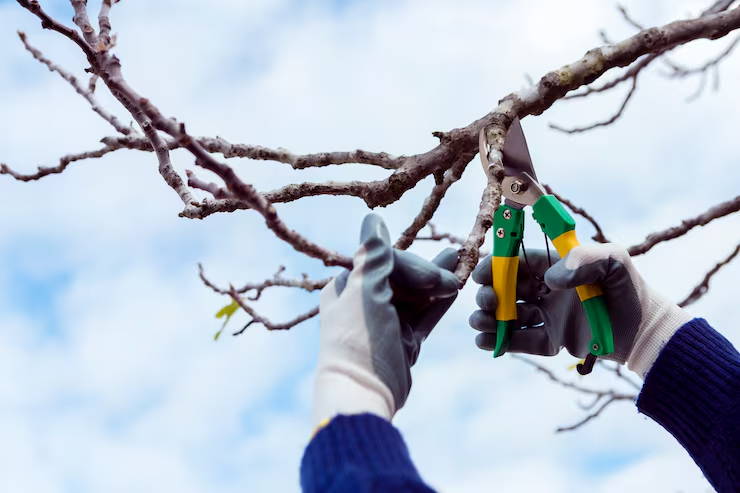
Good tree pruning supports structure, airflow, and long term growth. It is not about shaving the canopy into a perfect ball. Remove dead, rubbing, broken, or poorly attached branches when it is safe to do so. Avoid cutting large limbs without a clear reason, because heavy cuts can stress the tree and leave wounds that close slowly.
4. Keep Mulch Helpful And Away From The Trunk
Mulch protects roots, holds moisture, and reduces mower damage, but too much can hurt. Keep mulch a few inches away from the trunk so bark can breathe. A thick pile against the trunk can trap moisture and encourage decay. Think of mulch as a flat protective ring, not a mound.
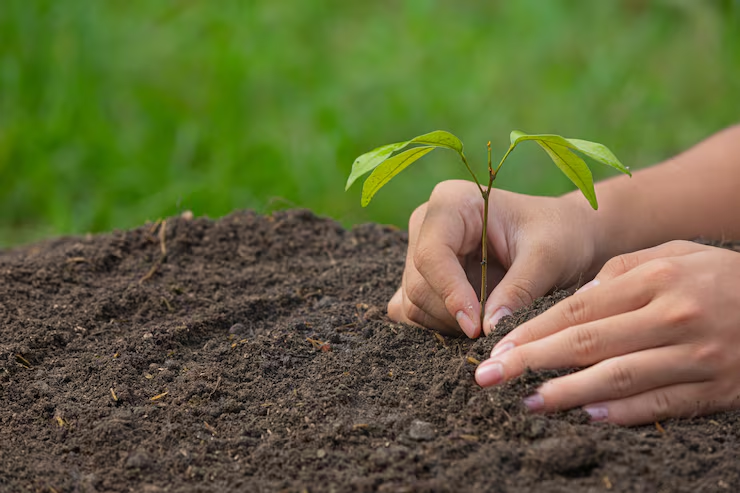
5. Water Young Trees Slowly During Dry Weather
Young trees need consistent water while roots spread into surrounding soil. A fast splash from a hose rarely reaches deep roots. Water slowly near the drip line, where outer canopy edges guide rain naturally. During dry stretches, check soil moisture a few inches down. If it is dry there, your tree probably needs a deeper drink.
6. Protect Roots From Everyday Yard Damage
Roots are easy to forget because they are hidden, but they hold the tree, gather water, and support health. Avoid cutting large surface roots, piling soil over them, or parking heavy equipment near the trunk. Mower bumps and string trimmer cuts can also damage bark at the base, which gives pests and decay an opening.
7. Choose The Right Tree For The Right Space
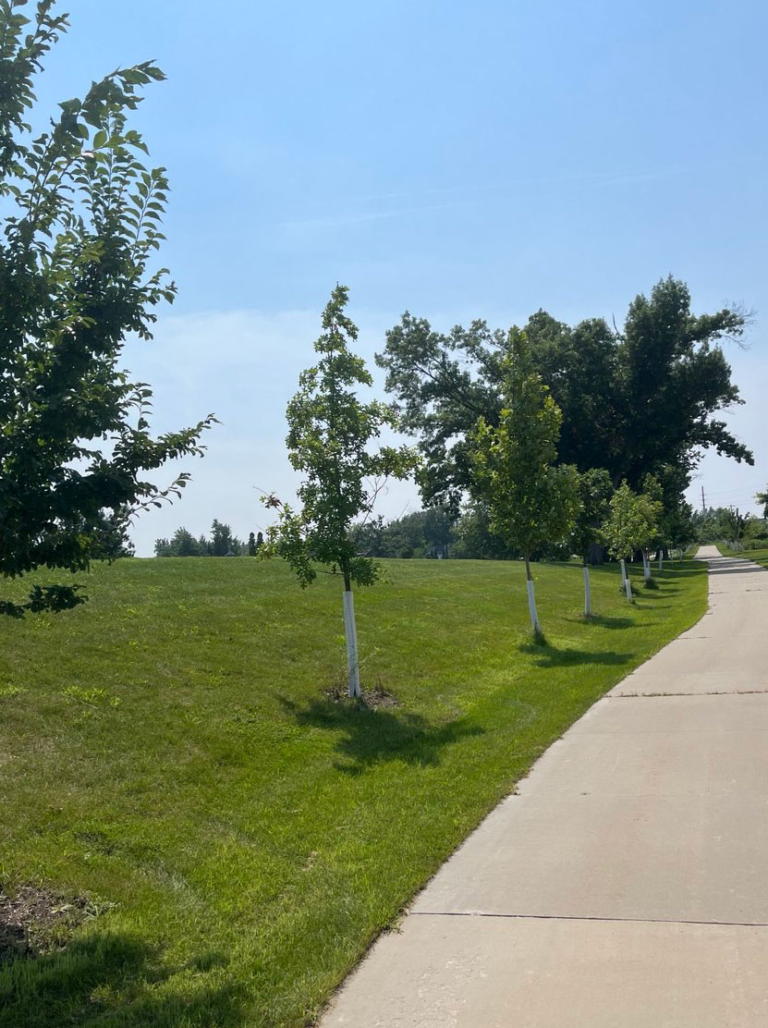
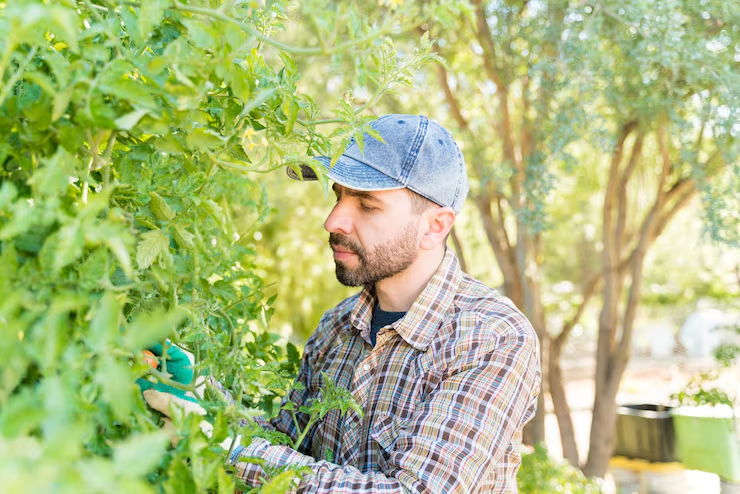
Before planting, picture the tree at mature size. A small sapling near a sidewalk, roof, driveway, or power line can become a costly problem later. Match the species to your soil, sunlight, and available space. A well placed tree can shade your home, frame your yard, and grow with fewer conflicts.
8. Watch For Signs Of Disease Or Decay
Look for mushrooms near the trunk, hollow spots, oozing bark, sudden leaf loss, dead sections in the canopy, or insects gathering around wounds. One symptom may not mean the tree is failing, but several symptoms together deserve attention. Early evaluation can help you decide whether care, pruning, or removal is the safer path.
9. Know When A Tree Is Too Risky For Diy Work
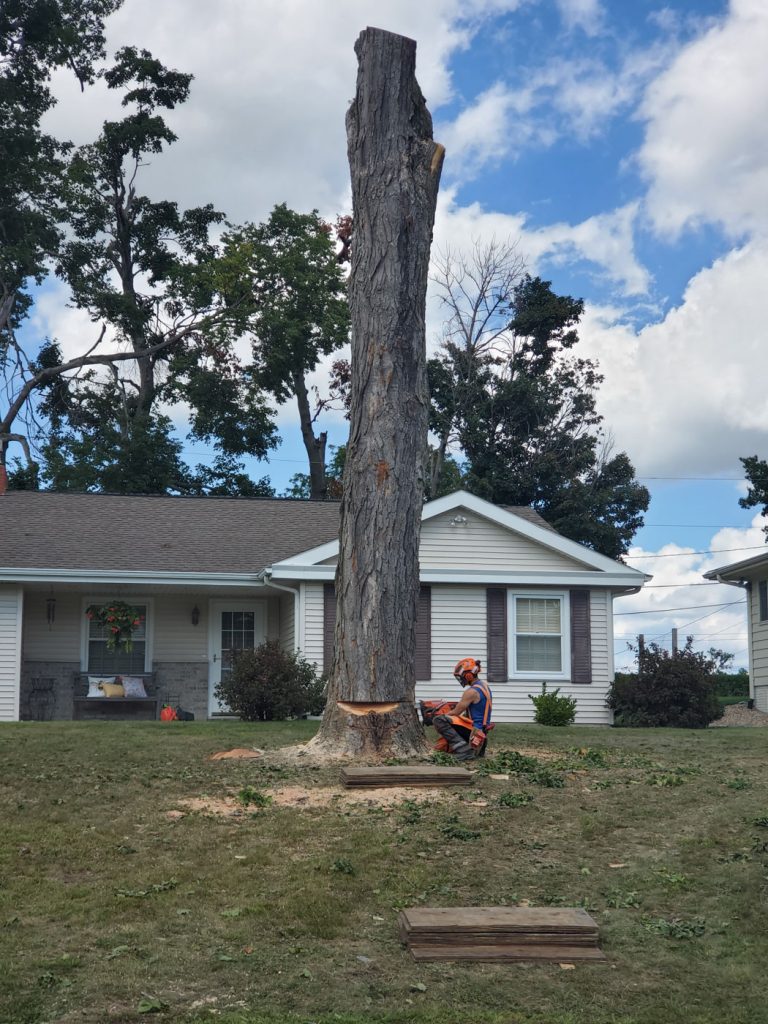
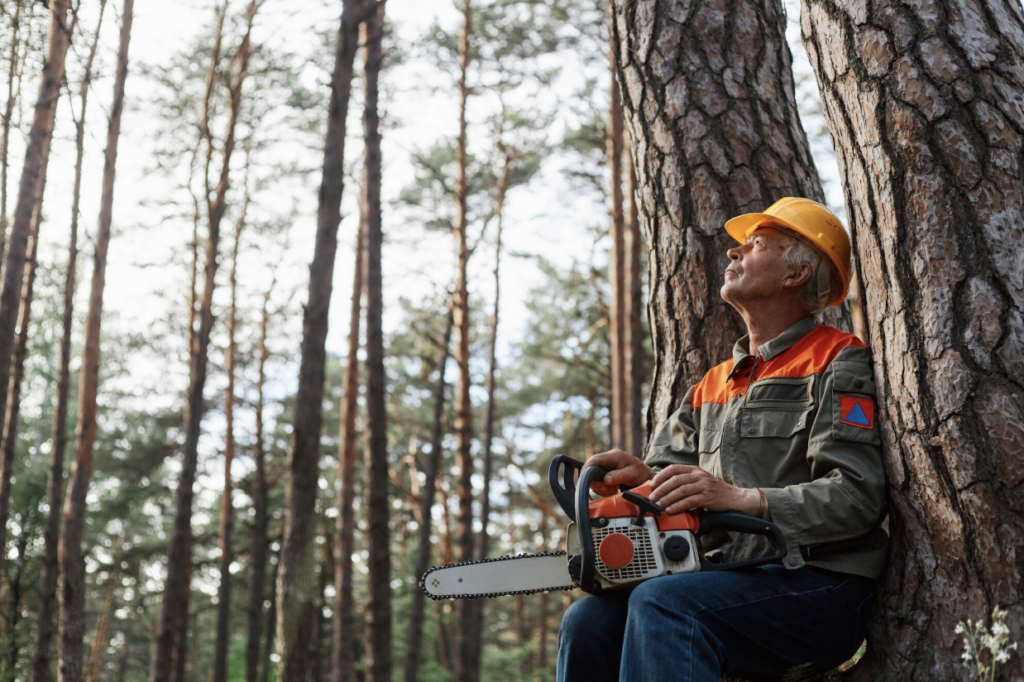
Some work should not be handled with a ladder and a weekend saw. Large limbs, storm damaged trees, leaning trunks, and branches near utilities can shift without warning. When weight, height, or tension is involved, step back. Calling trained arborists is about avoiding injury and protecting your home, not giving up control.
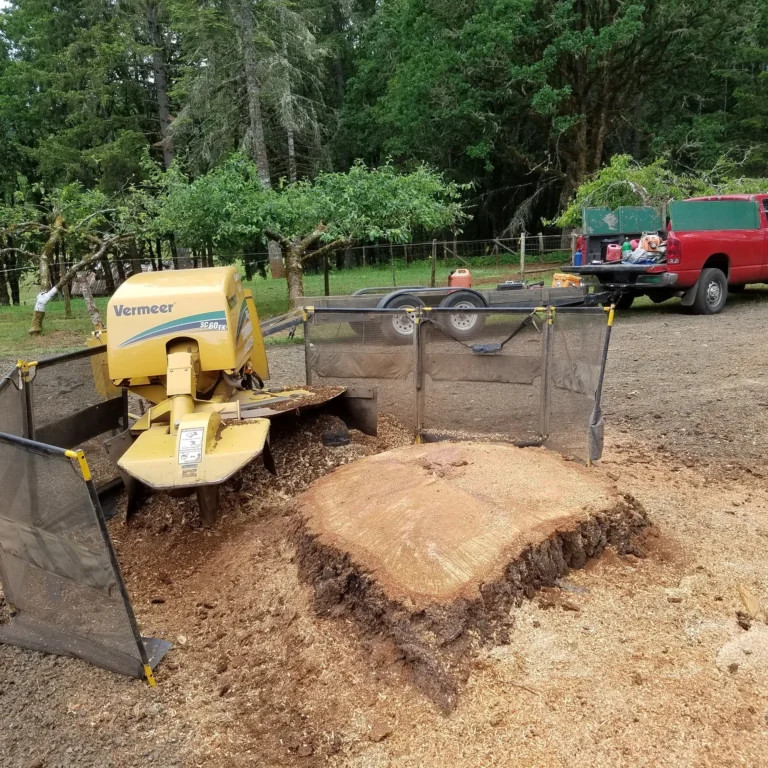
10. Remove Stumps Before They Cause Yard Problems
A leftover stump can attract insects, grow sprouts, interfere with mowing, and make the yard harder to use. Grinding it below the surface usually leaves the area safer and easier to restore. Before replanting in the same spot, think about leftover roots, soil settling, and whether a nearby location would give the new tree a cleaner start.
When Tree Problems Should Not Wait
Some tree issues deserve prompt attention. A new lean, cracked trunk, large hanging limb, uprooted soil, or branch touching a structure should be treated seriously. You should also move people, pets, and vehicles away from any tree that changed suddenly after a storm.
Do not pull branches with a vehicle or cut limbs that are under pressure. A trapped branch can spring, roll, or drop in ways that are hard to predict. If there is any chance of contact with a power line, stay back and contact the proper utility or emergency service first.
Simple Seasonal Habits That Make Tree Care Easier
Spring is a good time to look for winter damage and new growth. Summer is when heat stress, pests, and watering needs become easier to see. Fall is useful for checking structure after leaves drop. Winter often reveals limb patterns, cracks, and crossing branches that were hidden by foliage.
Your goal is not to become a tree expert. It is to build a habit of noticing changes. When you know what is normal in your own yard, unusual leaning, thinning, splitting, or bark damage becomes much easier to spot.
Keep a simple photo record if a tree worries you. One picture in spring and another in fall can show whether the canopy is thinning, the lean is changing, or bark damage is spreading. Those small comparisons help you make clearer decisions instead of guessing from memory.
Conclusion
Tree care in Marion is easier when it becomes part of your regular home routine. Walk your yard after storms, water young trees deeply, protect roots, prune with purpose, and pay attention to warning signs before they grow into hazards. You can handle many small observations yourself, but you should not feel pressured to take on dangerous work.
Healthy trees give your home shade, character, privacy, and comfort. They also need room, timing, and practical decisions. When we care for them steadily, we protect both the landscape and the people who enjoy it.
The best approach is calm and consistent. Notice changes, respect height and weight, and choose safety before speed. Your yard does not need constant cutting. It needs timely attention, clean decisions, and the patience to let healthy trees grow naturally.
FAQs
When should Marion homeowners trim their trees?
Many routine trimming projects are best done in late winter or early spring while the tree is dormant. Dead, broken, or hazardous limbs can be handled whenever safety is a concern.
How often should I check my trees for problems?
Check your trees after major storms and look more closely at least twice a year. Spring and fall are useful because you can compare growth, deadwood, bark condition, and structure.
Is a leaning tree always dangerous?
No. Some trees have leaned for years and remain stable. A sudden lean, lifted soil, cracked ground, or recent storm movement is more concerning and should be treated as a safety issue.
Can I plant a new tree where a stump was ground?
You can, but it is often better to plant a few feet away. Old roots, settling soil, and leftover wood material can affect moisture, nutrients, and root space for the new tree.
What should I do if a large branch falls in my yard?
Keep people and pets away first. Do not cut branches under pressure or near lines. Clear only small safe debris, take photos, and arrange a proper assessment before more work begins.
Tree Care That Helps Marion Homeowners Protect Their Yard And Home
→ Schedule safer trimming, pruning, removal, or stump grinding
→ Get clear guidance before small tree issues become costly
→ Keep your property safer through every Iowa season
Connect with SureWood Tree Service for dependable tree care in Marion →
★★★★★ Rated 4.9/5 by 63+ Satisfied Clients