How To Choose Between Tree Trimming And Tree Pruning
Is your tree getting untidy, or is one of its branches warning you about a deeper problem?
Trimming and pruning are often treated as two names for the same job because both remove growth. Yet each cut’s purpose determines whether we are properly maintaining appearance or carefully correcting health, structure, clearance, or safety.
Table of Contents:
- The Real Difference Comes Down To Purpose
- Choose Trimming When Growth Has Crossed A Practical Boundary
- Choose Pruning When Health Structure Or Safety Is Involved
- Timing Depends On Species Condition And Objective
- Proper Cuts Matter Whichever Word You Use
- Start With The Outcome Before Booking The Work
- FAQs
The Real Difference Comes Down To Purpose
Trimming manages overgrowth and maintains a boundary or appearance. Pruning uses selected cuts for a defined structural, health, safety, clearance, or development goal. The actions may overlap, but their purposes differ.
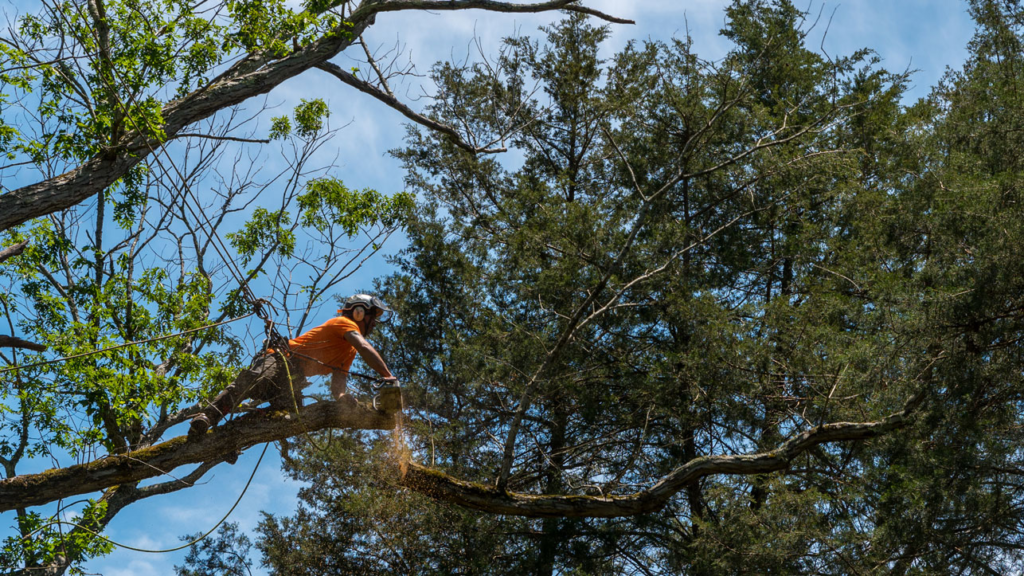
Use this comparison to match the work with the problem you see.
| Comparison Point | Trimming | Pruning |
| Main Purpose | Controls overgrowth and maintains appearance | Corrects health, structure, safety, or development concerns |
| Typical Target | Healthy outer shoots crossing a useful boundary | Selected dead, damaged, rubbing, or weak branches |
| Cutting Style | Light shaping around suitable canopy edges | Deliberate cuts chosen for a defined objective |
| Best Fit | Routine clearance or formal landscape maintenance | Structural correction and risk reduction |
| Frequency | May recur as healthy growth returns | Depends on defects, age, species, and condition |
| Planning Level | Follows an established size or outline | Requires closer assessment of branch attachments and tree response |
| Expected Result | A tidier canopy with restored clearance | A safer, stronger, or healthier branch framework |
The same tree may need both approaches. A healthy shoot blocking a walkway can be trimmed for clearance, while a cracked branch higher in the crown needs purposeful pruning. The difference lies in why each cut is made.
Trimming Maintains An Established Shape
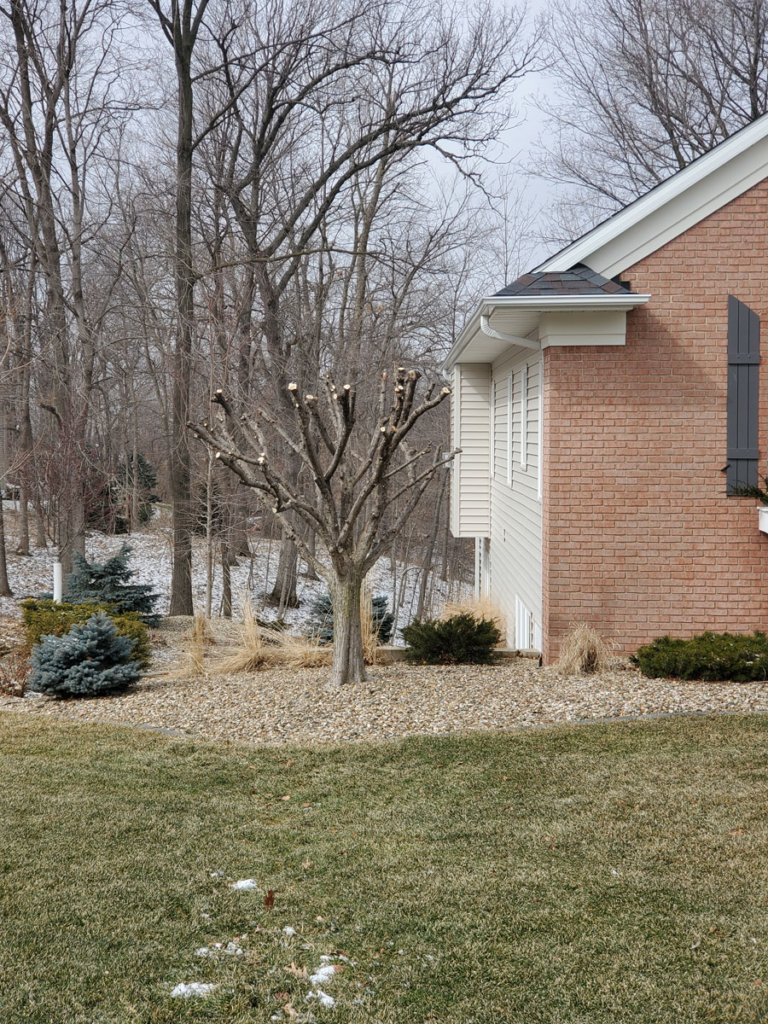
Routine tree trimming is often chosen when fast-growing outer shoots make a canopy look uneven or interfere with usable space. It may also manage smaller ornamental trees and hedges that are intentionally maintained within a particular outline.
Pruning Solves A Defined Tree-Care Problem
Pruning begins with a clear reason. We might remove deadwood, correct crossing branches, develop one dominant leader in a young tree, or reduce weight on a long limb.
Choose Trimming When Growth Has Crossed A Practical Boundary
Trimming is usually the better description when the tree is healthy and your concern involves manageable overgrowth. Perhaps small branches are hanging into a walkway, blocking a sign, touching a light structure, or disrupting the intended appearance of a formal planting.
Appearance Should Follow The Tree’s Natural Form
A well-maintained tree does not need to look perfectly symmetrical. Wind, light, nearby buildings, and species-specific habits all influence its shape. Trimming should refine that form without turning the crown into a rigid ball or flat wall unless the plant is genuinely suited to formal shaping.
Choose Pruning When Health Structure Or Safety Is Involved
Pruning is appropriate when you can name a specific defect or long-term objective. It can remove dead, broken, diseased, or rubbing branches and address growth that may become structurally unreliable. It can also guide young trees before small problems develop into heavy limbs.
What should catch your attention during an inspection? Look for visible cracks, hanging branches, cavities, peeling bark around an injury, two competing upright stems, branches growing tightly against one another, or limbs that have changed position. These signs do not all mean the tree is unsafe, but they justify a more careful look.
Young Trees Benefit From Structural Direction
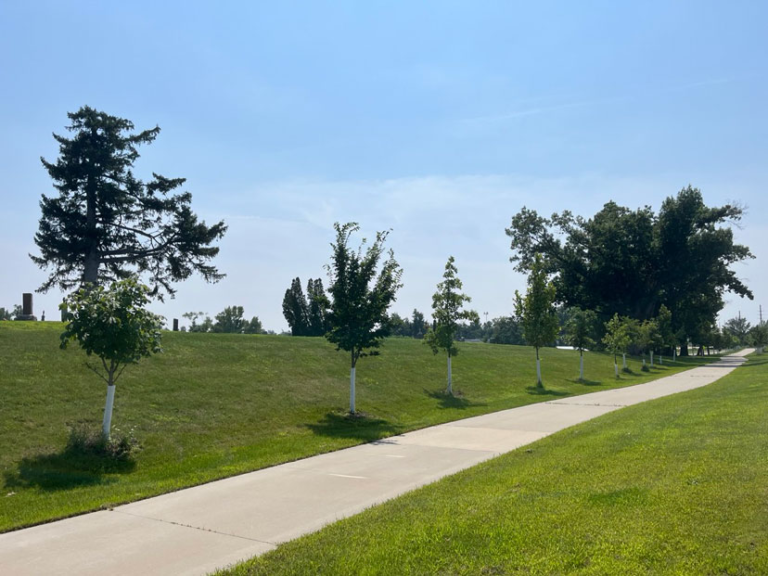
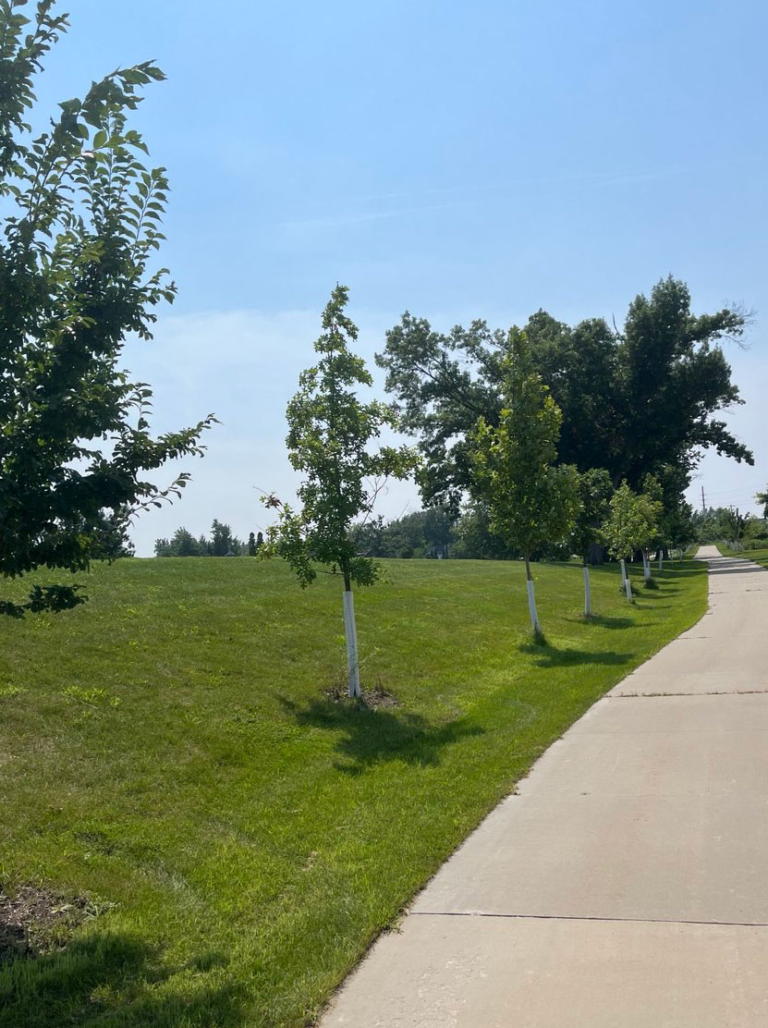
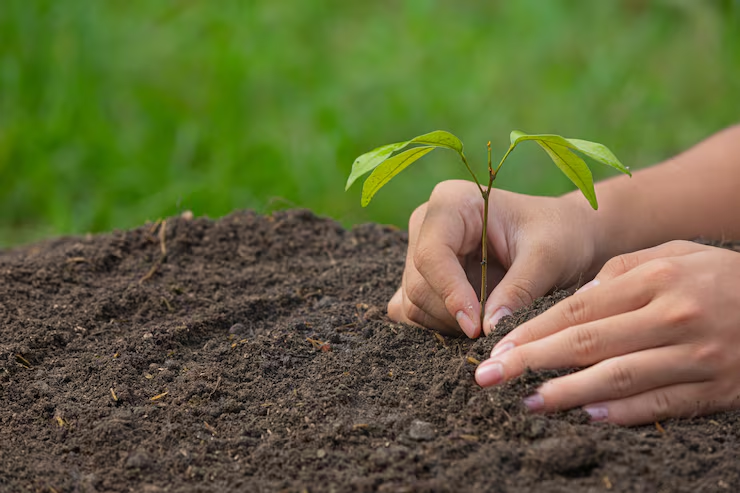
Early pruning can establish a stable framework while cuts remain small. For many large shade trees, this means favoring one central leader, spacing permanent branches, and keeping competing limbs from becoming nearly as thick as the trunk.
The process should happen gradually. Young trees need foliage to support roots and trunk development, so trying to create a finished mature shape in one visit can slow establishment. We should retain useful temporary branches and reassess growth over several seasons.
Mature Trees Call For Greater Restraint
Large branches leave large wounds, and removing too much canopy can change wind movement and energy production. Mature-tree pruning should focus on necessary objectives rather than an arbitrary percentage or a desire to make the tree look smaller.
Our tree health experts consider branch size, attachment, condition, surrounding targets, and the likely response to each cut. Sometimes shortening a limb is more suitable than removing it. Sometimes monitoring is the soundest choice.
Timing Depends On Species Condition And Objective
Many shade trees are well suited to routine pruning during dormancy, when their branch structure is visible and active growth has paused. Late winter or early spring may work well in Eastern Iowa, but there is no single calendar date that suits every tree.
Flowering trees may be timed around their bloom cycle. Certain species also have pest or disease concerns that affect when fresh cuts should be avoided. Dead, broken, or immediately hazardous branches may need attention whenever the risk appears, regardless of the preferred maintenance season.
Weather Can Change A Sensible Schedule
Avoid routine cutting when a tree is already under severe drought, heat, or other environmental stress. Wet conditions can also make climbing and equipment use less safe. After a storm, do not stand beneath hanging limbs or assume a partly attached branch will remain stable.
Proper Cuts Matter Whichever Word You Use
Whether the job is called trimming or pruning, poor cuts can remain inside the tree for life. Correct branch removal usually protects the branch collar, which is the slightly swollen area where a branch joins its parent stem. A flush cut damages this tissue, while a long stub prevents efficient closure.
You should avoid several practices that can harm form or stability.
- Topping removes major stems indiscriminately and often triggers weak sprouts.
- Lion tailing strips inner growth and concentrates foliage at branch ends.
- Flush cutting removes protective tissue beside the trunk.
- Excessive thinning takes away useful leaf area and can expose remaining limbs.
- Repeated heading cuts create clusters of shoots without solving the original issue.
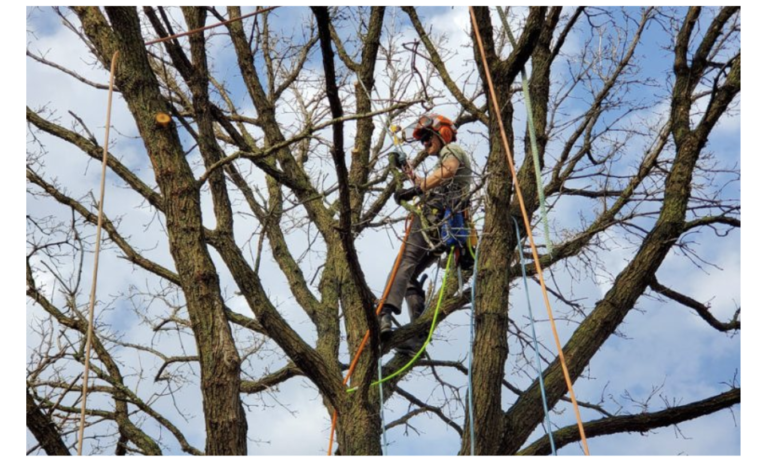
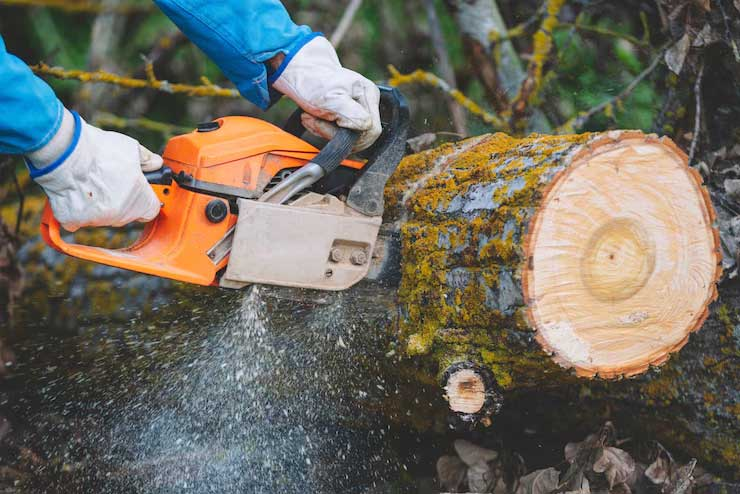
Clean, sharp hand tools can be appropriate for small branches you can reach from the ground. Large limbs, climbing work, chainsaws, storm damage, nearby buildings, and branches close to utility lines create hazards that should not become a weekend experiment. Never work near energized lines yourself.
Start With The Outcome Before Booking The Work
The clearest way to choose is to describe what you see and what you want corrected. Do not begin by requesting a certain number of branches removed. A useful conversation identifies the affected tree, the concern, nearby people or property, and the result you expect.
SureWood Tree Service works with clients across Cedar Rapids, Marion, Hiawatha, and nearby Eastern Iowa communities to match the work with the condition of each tree. A clear assessment helps property owners avoid paying for unnecessary cutting while addressing real concerns before they become harder to manage.
The Right Choice Protects More Than Appearance
Choose trimming when healthy growth needs measured maintenance within a practical boundary. Choose pruning when a defined health, structural, safety, or development objective guides the cuts. When both needs exist, they can be addressed through one carefully planned visit rather than two disconnected jobs.
The label matters less than the reasoning behind it. We should be able to explain why every branch is being cut and how that decision supports your tree and property. When you start with the outcome, you are more likely to receive care that makes sense today and years from now.
Frequently Asked Questions
Is trimming the same as pruning?
No, although people often use the terms interchangeably. Trimming usually manages overgrowth, clearance, or appearance, while pruning uses selected cuts to meet a defined health, structural, safety, or developmental objective.
Can trimming improve a tree’s health?
Trimming may remove minor overgrowth and improve clearance, but health concerns require a specific assessment. Dead, diseased, cracked, rubbing, or structurally weak branches should be addressed through purposeful pruning rather than general shaping.
How can I tell whether a branch is dangerous?
Cracks, hanging sections, splitting unions, decay, sudden leaning, or a noticeable change after a storm can indicate concern. Do not stand beneath a questionable limb, and arrange an assessment if its failure could reach people, buildings, vehicles, or walkways.
What is the best season for pruning trees?
Many shade trees can be pruned during late winter or early spring, but ideal timing varies by species, condition, local pest concerns, and objective. Broken or immediately hazardous branches may require attention as soon as they are discovered.
Can I trim or prune my own tree?
You may handle small branches from the ground with clean, suitable hand tools if you understand proper cuts. Leave large limbs, climbing, chainsaw work, storm damage, unstable trees, and anything near utility lines to qualified professionals.
The Right Tree Care For Safer, Healthier Growth
→ Choose trimming or pruning based on your tree’s actual needs
→ Remove overgrowth, damaged limbs, and structural concerns safely
→ Protect your trees, property, and landscape with skilled care
Connect with SureWood Tree Service to schedule the right care for your trees →
★★★★★ Rated 4.9/5 by 91+ Satisfied Clients
Related Articles: