How Professional Pruning Helps Trees Grow Stronger
What makes a tree look calm and graceful in a yard through changing seasons? The answer is not luck. Strong trees usually have structure that has been guided with care, and pruning plays a big part in that guidance. That difference matters every season.
Pruning is often treated like a cleanup task, but it does much more than tidy branches. Done well, it helps a tree use its energy wisely, hold a healthier shape, and reduce weak growth that may cause trouble later. Done poorly, it can leave wounds, stress the canopy, or push a tree into awkward regrowth.
Table Of Contents
- Why Healthy Trees Still Need Skilled Pruning
- How Pruning Builds Stronger Tree Structure
- When Your Tree May Be Ready For Pruning
- What You Should Avoid When Pruning Trees
- How Pruning Supports Safer And Better Looking Yards
- Conclusion
- FAQs
We want you to understand pruning as a long term care choice. When your tree receives professional attention, every cut should have a reason. The goal is not to remove as much as possible. The goal is to help the tree grow stronger, safer, and more balanced over time.
Why Healthy Trees Still Need Skilled Pruning
A healthy tree can still grow in ways that create future problems. Branches may cross, rub, crowd the canopy, or compete for the same space. Some limbs may stretch toward a roof, driveway, sidewalk, or power line. Others may weaken after storms or grow at angles that cannot carry weight well.
Trees Grow Better When Energy Has Direction
A tree is always allocating energy. When too much growth collects in crowded or weak areas, the tree may keep feeding limbs that do not support its long term form. Careful pruning redirects that energy toward stronger branches and a better canopy.
This is one reason tree pruning should never feel random. The best cuts respect the natural shape of the tree. You should not see a tree stripped into a harsh shape for quick size control.
Good Cuts Protect The Whole Tree
Every cut creates a wound, so the cut placement matters. A skilled pruning approach works with the branch collar, avoids leaving long stubs, and avoids cutting too close to the trunk. This supports natural closure.
If you are unsure whether a branch should be removed, step back and look at what that branch is doing. Is it supporting the form, or is it creating crowding, rubbing, or risk? That simple question can save a tree from careless cutting.
How Pruning Builds Stronger Tree Structure
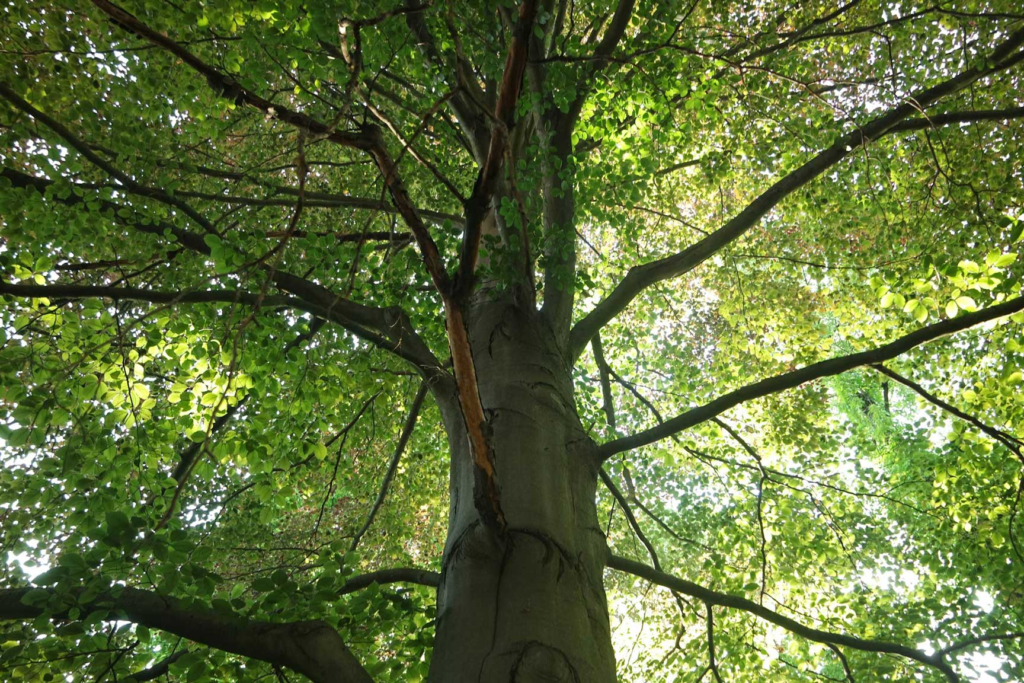
Strong growth is not only about height or fullness. A strong tree has balanced weight, stable limbs, and room for air and light to move through the canopy. Pruning helps shape that structure before small issues become larger ones.
It Removes Weak Or Competing Limbs
Some branches grow too close together and compete to become the main leader. Others form narrow angles that may split under pressure. When these limbs are corrected early, the tree has a better chance of developing a stable frame.
You should not wait until a branch is huge before thinking about structure. Smaller, thoughtful cuts are usually easier for a tree to handle than large removals later.
It Opens The Canopy Without Overdoing It
A crowded canopy can trap moisture, block light, and make it harder to see damaged limbs. Selective thinning allows more movement through the crown while keeping the tree full enough to feed itself.
The key is restraint. Removing too much foliage can stress a tree and lead to fast, weak regrowth. A good pruning plan improves space without making the tree look bare.
It Helps Trees Handle Weather With Less Strain
No pruning can make a tree storm proof, but better structure can reduce unnecessary strain. Removing dead, cracked, rubbing, or poorly placed limbs lowers the chance that those branches become hazards during wind, ice, or heavy rain.
When Your Tree May Be Ready For Pruning
A tree does not send a written notice when it needs care. It gives visual hints. The more familiar you are with those hints, the easier it becomes to act before damage spreads.
You may want to schedule a closer look if you notice these signs.
- Dead branches hanging in the canopy
- Limbs rubbing against each other
- Branches growing toward your roof or siding
- A canopy that looks crowded, lopsided, or heavy
These signs do not always mean the tree is in danger. They do mean it may benefit from a trained eye. If you are weighing what to keep, Sure Wood Tree Service can help you make a practical decision that protects both the tree and your property.
Timing Should Match The Tree And The Goal
Many trees respond well to pruning during dormancy, when the branch structure is easier to see. Some pruning, such as removing dead or damaged limbs, may be needed sooner for safety. Flowering trees can also have timing considerations if you want to protect blooms.
The point is that timing should not be guessed. Your tree species, condition, location, and reason for pruning should guide the plan.
What You Should Avoid When Pruning Trees
Bad pruning can take years to correct. Some mistakes do not show their full impact right away, which is why they are so easy to underestimate.
Topping is one of the most harmful choices. Cutting back large sections of the crown to reduce height can weaken the tree, trigger unstable shoots, and leave it more vulnerable. It may look controlled for a short time, but the long term result is often worse.
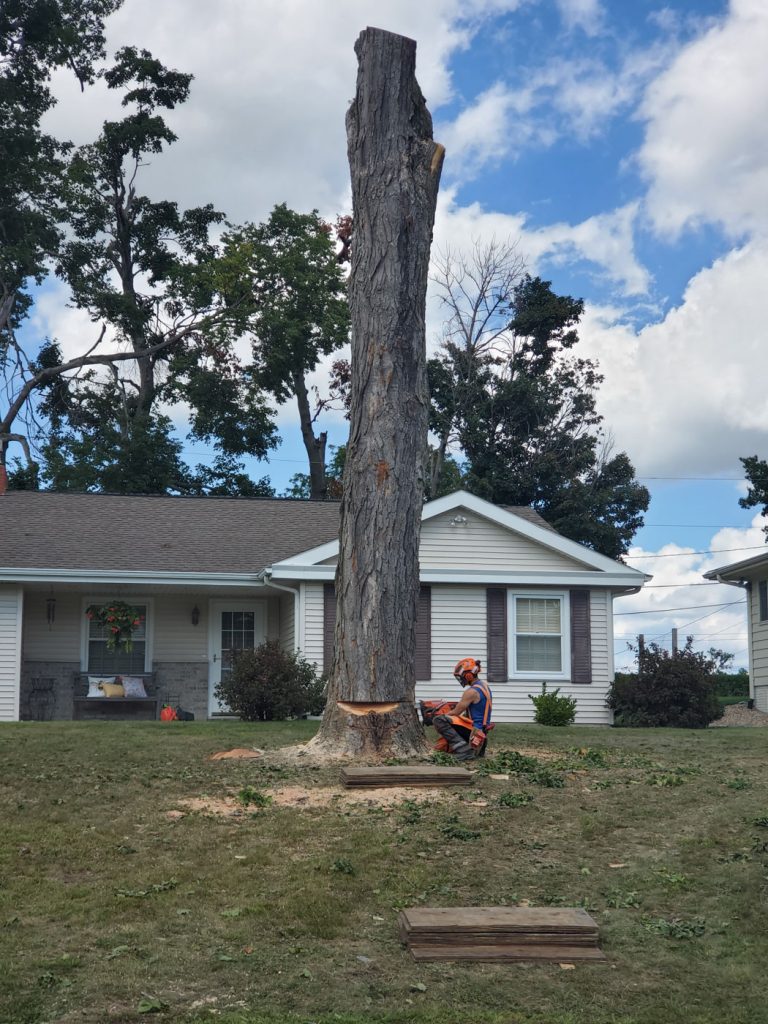
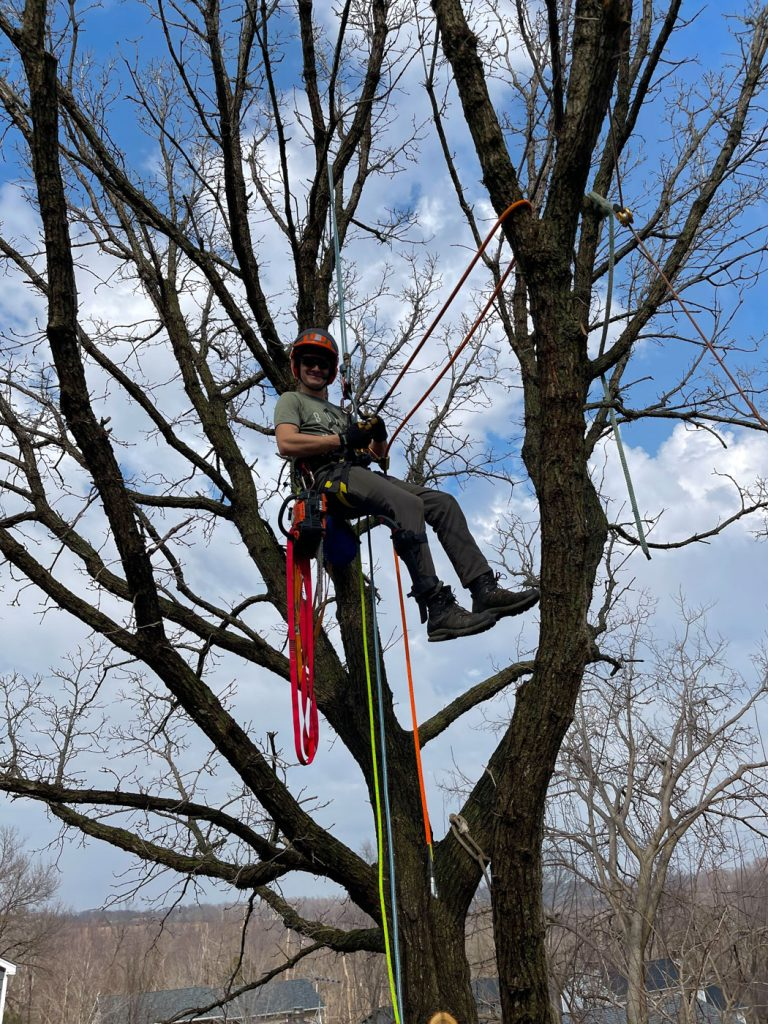
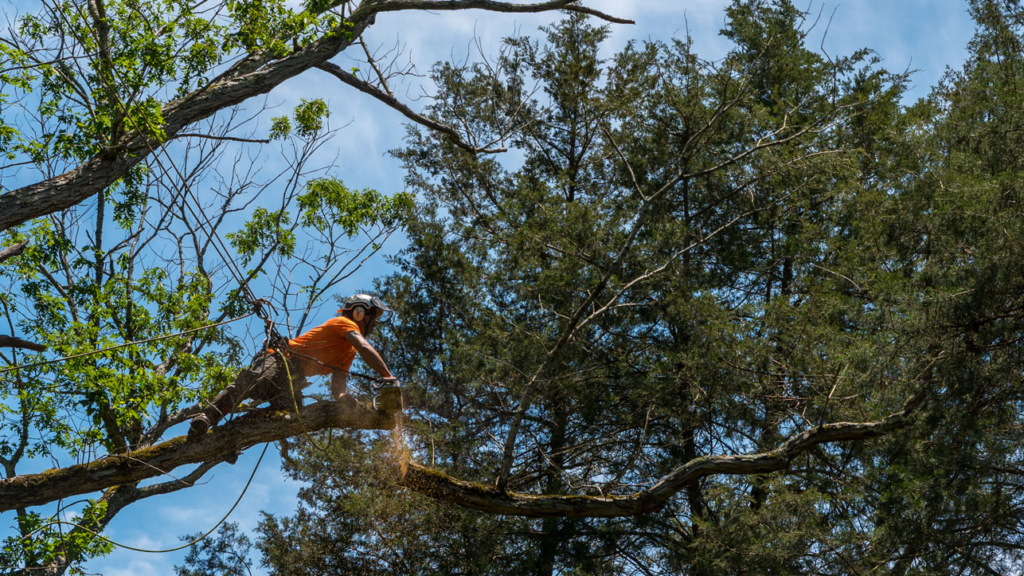
You should also avoid cutting large limbs without the right tools, training, or safety setup. A heavy branch can fall unpredictably, peel bark down the trunk, or damage nearby property. If a branch is above shoulder height, near wires, or large enough to cause injury, it should not be a casual weekend task.
More Cutting Does Not Mean Better Care
A common mistake is thinking a tree needs a major haircut to be healthier. Trees need leaves to produce energy. Removing too much canopy can reduce the tree’s ability to recover and grow.
Good pruning is selective. It asks what should stay, not only what should go.
How Pruning Supports Safer And Better Looking Yards
A well pruned tree often looks natural, not forced. The branches have space, the canopy feels balanced, and the trunk is easier to inspect. The yard feels cared for without making the tree look altered beyond recognition.
For homeowners, that balance matters. You want shade, beauty, and curb appeal, but you also want less risk near your house, driveway, and outdoor living spaces. Thoughtful pruning helps with both.
It Gives Young Trees A Better Start
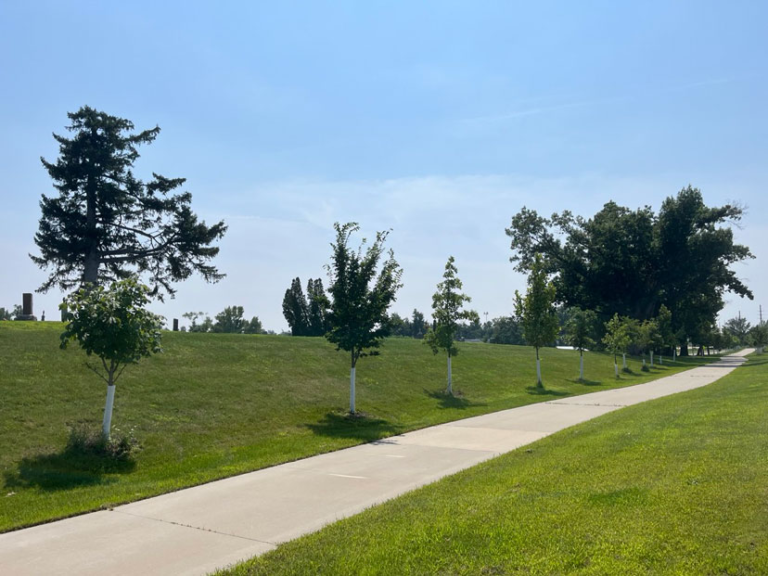
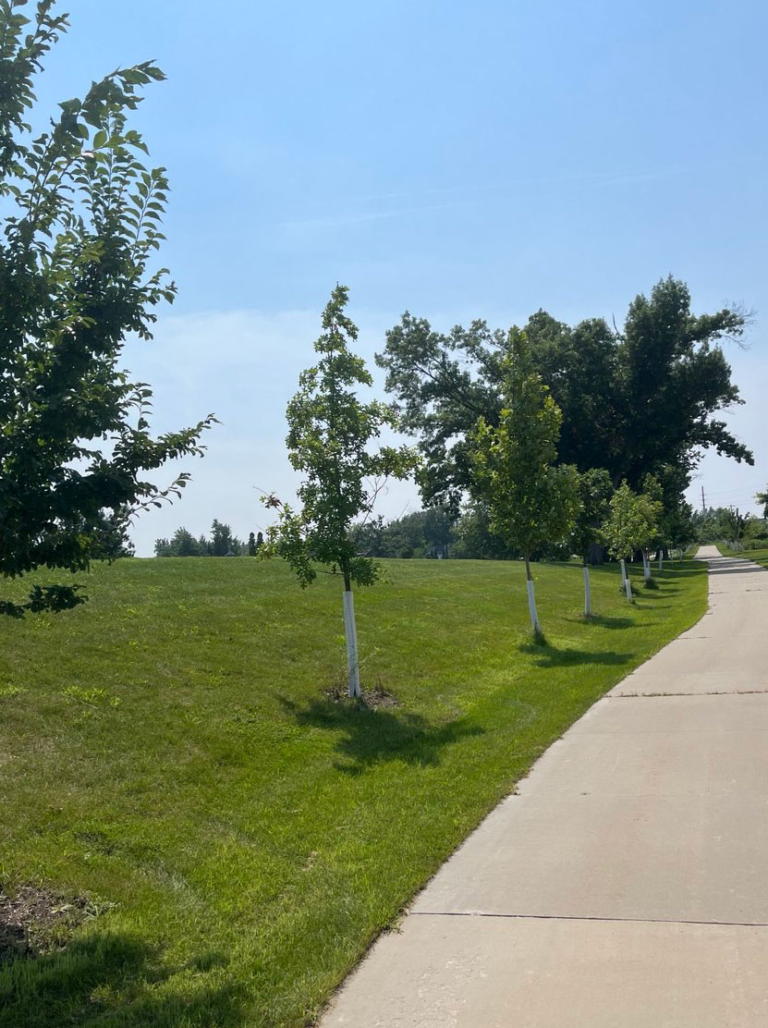
Young trees are easier to guide than mature trees. Early structural pruning can help establish a strong central leader, remove competing limbs, and shape the canopy before branches become large.
If you recently planted a tree, do not assume it should be left untouched for years. You should give it time to settle, but you should also watch how it begins to form.
It Helps Mature Trees Stay Manageable
Mature trees need a different kind of care. The goal is usually preservation, safety, and reducing stress, not reshaping the entire tree. Careful pruning can remove problem limbs while protecting the character that makes an older tree valuable.
Conclusion
Professional pruning helps trees grow stronger because it gives growth a smarter path. It removes weak or crowded limbs, protects structure, improves visibility, and helps the canopy stay balanced as seasons change.
You should not think of pruning as cosmetic trimming. It is one of the clearest ways to support long term health and safety when it is done with patience and skill. Your tree may not need dramatic cuts. It may only need the right cuts, made at the right time, for the right reasons.
If your yard has branches rubbing, limbs reaching toward the home, or a canopy that looks heavy and crowded, take it seriously. A stronger tree often starts with a better decision before the next storm tests it.
Frequently Asked Questions
How often should trees be pruned?
Most trees do not need heavy pruning every year. The right schedule depends on the species, age, condition, and location. Young trees may need light structural guidance, while mature trees often need periodic maintenance.
What is the best season for pruning?
Many trees can be pruned during dormancy, often in late fall or winter. Dead, damaged, or hazardous limbs may need attention sooner. Flowering trees may require different timing to protect blooms.
Can pruning hurt a healthy tree?
Yes, pruning can hurt a healthy tree if cuts are too large, too frequent, or poorly placed. Removing too much canopy can stress the tree and encourage weak regrowth.
Should you prune branches near power lines?
No, you should not prune branches near power lines yourself. This work is dangerous and should be handled by qualified professionals with the proper training and equipment.
Why should you avoid topping a tree?
Topping removes too much of the crown and can create weak, fast growing shoots. It may also leave large wounds and reduce the tree’s natural strength over time.
Stronger Tree Growth Starts With Safer, Smarter Pruning
→ Shape healthier branches before weak growth becomes a problem
→ Protect your yard, roof, and outdoor spaces from risky limbs
→ Give your trees the care they need to grow with better structure
Connect with Sure Wood Tree Service to schedule pruning that supports stronger, safer trees →
★★★★★ Rated 4.9/5 by 63+ Satisfied Clients
Related Articles: