
Lawn Care Myths: Tree Health Facts That Your Neighbor Probably Got Wrong
Your lawn and your trees share the same soil, water, and growing environment, which means the way you care for one can affect the other. Here in Cedar Rapids and Marion, Iowa, homeowners sometimes follow lawn care advice that sounds reasonable but can create problems for the trees growing in their yards. Understanding how lawn care practices affect tree health can help you protect your landscape, avoid unnecessary expenses, and keep mature trees growing strong.
Sure Wood Tree Service was founded in 2020 to help our neighbors care for their trees. Part of that mission is sharing practical knowledge from our hands-on experience. In this guide, we are breaking down common lawn care myths, explaining how they can affect tree health, and offering better ways to care for your entire yard.

In This Post
- Myth: More Water Means Greener Grass and Healthier Trees
- Myth: Bagging Grass Clippings Keeps Your Yard Cleaner
- Myth: Fertilizer Is Always Good for Everything in Your Yard
- Myth: Mowing Short Saves Time and Looks Better
- How Healthy Lawn Practices Support Strong Trees
Myth: More Water Means Greener Grass and Healthier Trees
It is easy to assume that more water means healthier plants. After all, grass and trees both need water to grow. However, watering too frequently can create problems, especially for trees growing in poorly drained soil.
Grass and trees have different root systems and watering needs. Many tree roots extend horizontally well beyond the canopy, with a large portion concentrated in the upper layers of soil. Grass roots are also concentrated near the surface. When lawn irrigation runs too frequently, the upper soil layers can remain excessively wet, limiting the oxygen available to tree roots and increasing the risk of root damage.
Established oaks and maples can suffer when their roots remain in waterlogged soil. Symptoms of root stress may include yellowing leaves, branch dieback, and reduced growth, although these signs can also indicate other problems.
A better approach is to water according to the weather, soil conditions, and needs of your lawn and trees. Iowa lawns generally need about 1 to 1.5 inches of water per week during active growth, including rainfall. Applying water deeply and less frequently can encourage healthier grass roots than frequent, shallow watering. However, trees should not automatically receive the same watering schedule as your lawn.
Established trees often need little supplemental irrigation except during extended dry periods. Newly planted trees require closer monitoring because their roots are still developing. Check soil moisture before watering, and allow the soil to drain between applications.
As fall progresses in Cedar Rapids and Marion, cooler temperatures and seasonal rainfall may reduce the need for irrigation. Adjust your watering schedule rather than continuing summer settings automatically.
Myth: Bagging Grass Clippings Keeps Your Yard Cleaner
Many homeowners believe that leaving grass clippings on the lawn creates thatch buildup or makes the yard look untidy. However, when you mow correctly, leaving small clippings on the lawn can benefit your grass and the soil around nearby trees.
Grass clippings break down naturally and return nutrients, including nitrogen, to the soil. This helps support lawn growth and reduces the need to replace nutrients removed during mowing. Leaving suitable clippings in place also avoids sending useful organic material to the landfill.
Thatch is a layer of slowly decomposing plant material that accumulates between the soil surface and the living grass. Grass clippings generally break down quickly and do not significantly contribute to thatch buildup. Excessive thatch is more closely associated with factors such as excessive growth, certain grass characteristics, and lawn management practices.
There are times when collecting clippings makes sense. If the grass has grown too long and mowing leaves thick clumps across the lawn, rake or collect those clumps to prevent them from smothering the grass underneath.
Autumn is also a good time to think about how you manage fallen leaves. Shredding and mulching a light layer of leaves with a mower can return organic matter to the soil. However, thick layers of leaves should be removed or broken down sufficiently so they do not block sunlight and smother the lawn.
Around trees, wood chip mulch can provide additional benefits by conserving soil moisture, moderating soil temperatures, and reducing competition from turfgrass. Keep mulch away from direct contact with the trunk to avoid moisture-related problems.
These simple practices can support healthier soil while helping you maintain a tidy yard.
Myth: Fertilizer Is Always Good for Everything in Your Yard
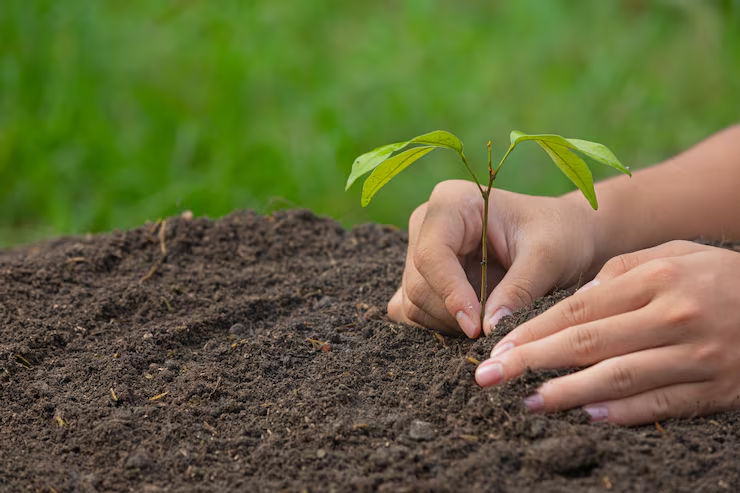
Walk into a garden center in Cedar Rapids, and you will find plenty of fertilizers promising greener grass and faster growth. It can be tempting to apply them regularly, assuming that more nutrients will improve every plant in your yard. However, excessive or unnecessary fertilization can create problems for both lawns and trees.
Many lawn fertilizers contain nitrogen, which supports grass growth. When applied at the correct rate, fertilizer can help address nutrient deficiencies. But applying too much can encourage excessive growth, contribute to nutrient runoff, and create imbalances in the soil.
Trees can also be affected by excessive nitrogen. Too much nitrogen may encourage abundant leafy growth without addressing other factors that influence tree health, such as root condition, soil structure, and water availability. Excessive fertilization can also contribute to moisture stress and may worsen existing problems.
Some fertilizers contain soluble salts that can damage sensitive roots when concentrations become too high. However, brown leaf edges or declining foliage do not automatically indicate fertilizer damage. Drought, disease, root problems, and other environmental stresses can produce similar symptoms.
The better approach is to determine whether your lawn actually needs additional nutrients before applying fertilizer. A soil test can help identify nutrient deficiencies and guide appropriate applications. Follow product label instructions and avoid applying more fertilizer than recommended.
Trees do not always need additional fertilizer, particularly when they are established and growing in suitable soil. If a tree appears unhealthy, identify the underlying cause before adding nutrients. Fertilizer will not correct every problem and may make some conditions worse.
Thoughtful lawn care protects your trees, reduces unnecessary product use, and supports a healthier landscape.
Myth: Mowing Short Saves Time and Looks Better
Some homeowners set their mower deck low because they believe shorter grass will require less frequent mowing. Others prefer the appearance of a closely cut lawn. However, cutting grass too short can weaken the turf and leave the soil more exposed to environmental stress.
Grass blades produce energy through photosynthesis. When you remove too much of the leaf blade, the plant must use stored energy to produce new growth. Repeatedly cutting grass too short can weaken its root system and make the lawn less resilient during hot or dry weather.
Short grass also provides less shade for the soil surface. This can increase soil temperatures and moisture loss, potentially adding stress to shallow tree feeder roots growing beneath the lawn.
For many common Iowa lawn grasses, a mowing height of around 3 inches is a useful general target during the main growing season. The ideal height depends on the grass species and seasonal conditions. Iowa State University Extension recommends reducing the mowing height to approximately 2.5 to 3 inches during mid- to late September for many Iowa lawns.
Regardless of the season, avoid removing more than one-third of the grass blade in a single mowing. This helps prevent excessive stress and supports healthier turf.
As October progresses in Cedar Rapids and Marion, cool-season grass growth generally slows. Continue mowing while the grass is actively growing, adjusting the height and frequency to match conditions. There is no need to maintain a summer mowing schedule once growth has slowed.
Healthy lawn management also includes avoiding damage to tree trunks and surface roots. Take care when mowing near trees, and consider maintaining a mulch ring around the base to reduce the risk of accidental injury from lawn equipment.
How Healthy Lawn Practices Support Strong Trees
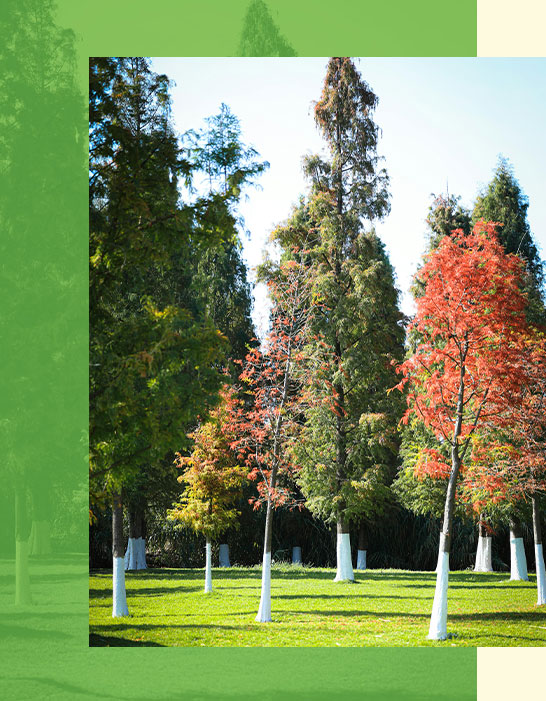
Understanding the connection between lawn care and tree health helps you make better decisions for your entire yard. Watering according to soil conditions, leaving suitable grass clippings in place, applying fertilizer only when needed, and mowing at an appropriate height can all support a healthier landscape.
Tree roots extend through the soil beneath lawns, driveways, and landscaped areas. Although you cannot see most of these roots, their condition plays an important role in the health and stability of your trees. Avoiding excessive irrigation, unnecessary fertilizer applications, and physical damage can help reduce stress on the root system.
Trees are long-term investments. Mature trees provide shade, support wildlife, improve the appearance of your property, and can contribute to its value. Protecting them means paying attention to the soil and growing conditions around them, not just the visible branches and leaves.
We also recommend creating a mulch ring around your trees rather than allowing grass to grow directly up to the trunk. Apply a layer of wood chip mulch approximately 2 to 4 inches deep, spreading it outward as far as practical within the available landscape. Keep the mulch several inches away from the trunk, and avoid piling it against the bark. A wider mulched area can reduce competition from grass, conserve moisture, and help protect surface roots from lawn equipment.
If you notice a tree declining despite your lawn care efforts, the cause may involve more than watering, mowing, or fertilizer. Root damage, compacted soil, pests, and disease can all affect tree health. A professional assessment can help identify the issue and determine the appropriate next steps.
At Sure Wood Tree Service, we are committed to helping homeowners in Cedar Rapids and Marion understand and care for their trees. For every tree we remove, we plant two more because we believe in supporting the future of our community’s urban forest.
If you have concerns about a tree on your property or want advice about maintaining its health, contact Sure Wood Tree Service for a free estimate. You can also learn more about our tree planting services or connect with us through our Google Business Profile.
About Sure Wood Tree Service
Sure Wood Tree Service is a trusted tree care company serving Cedar Rapids, Marion, and communities throughout Eastern Iowa. Founded in 2020, the team provides professional tree removal, pruning, stump grinding, tree planting, and other tree care services with a strong focus on safety, sustainability, and environmental stewardship. With a commitment to the local community, Sure Wood works to protect properties while helping create a healthier, greener future.