Why Is My Lawn Turning Yellow and How Tree Service Can Help
Summer in Cedar Rapids and Marion brings long days, backyard gatherings, and unfortunately, the perfect conditions for yellow patches to appear across otherwise healthy lawns. As temperatures climb and rainfall becomes unpredictable, homeowners across Linn County may start noticing discolored spots in their yards. The good news is that many causes of yellow grass can be addressed once you understand what is happening beneath the surface and how your trees may be affecting the lawn.
At Sure Wood Tree Service, we see the connection between tree health and lawn health every day. Trees can affect the amount of sunlight, water, and nutrients available to grass, especially when the lawn grows beneath a large canopy. Let us walk you through some common reasons your grass might be turning yellow and what you can do about them.
Shade and Root Competition From Trees
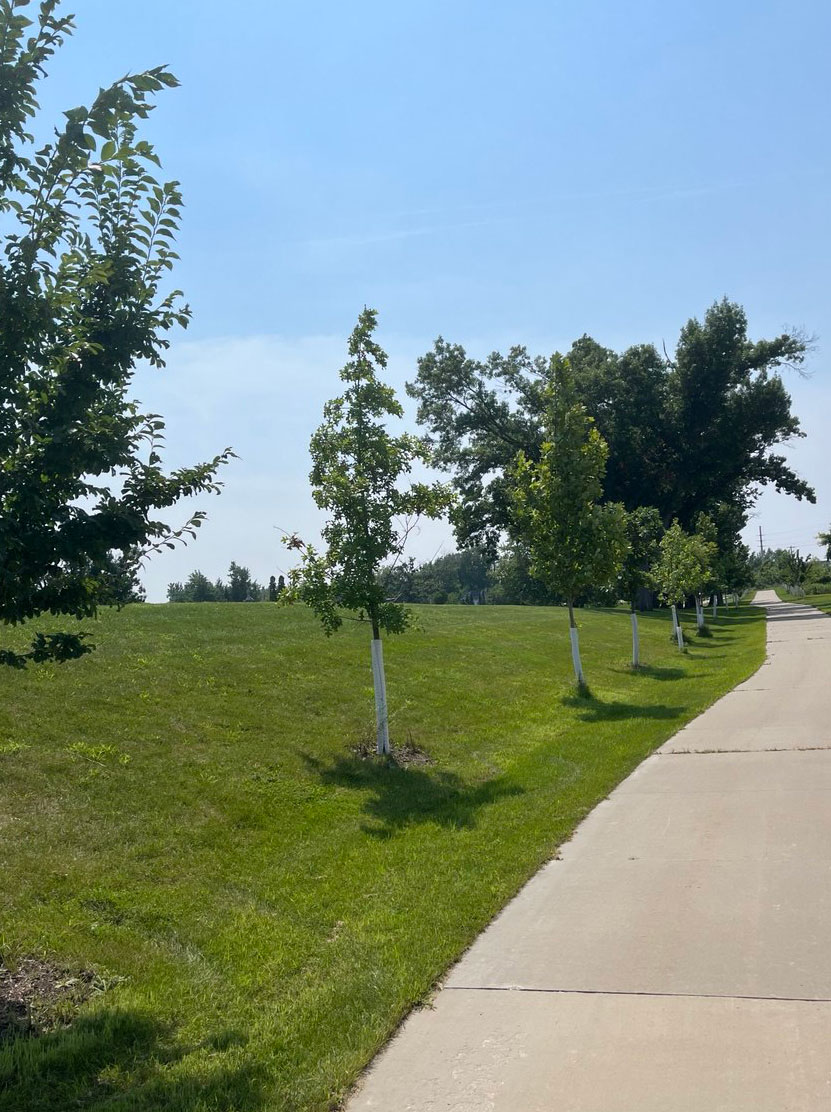
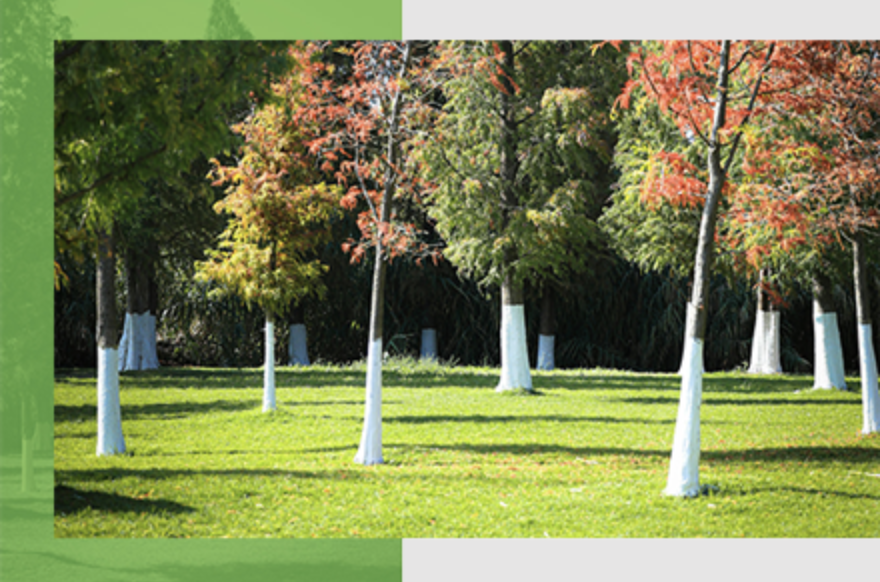
One of the overlooked causes of yellow grass is the very thing that makes your yard beautiful: your trees. Large trees with dense canopies can limit the amount of sunlight reaching the grass beneath them. Turfgrass can struggle when it does not receive enough light, particularly in areas with heavy shade.
Shade is only part of the story. Tree roots can also compete with turfgrass for water and nutrients in the soil. During dry periods, this competition can become more noticeable. Your lawn may receive some water at the surface while nearby tree roots are also drawing moisture from the soil.
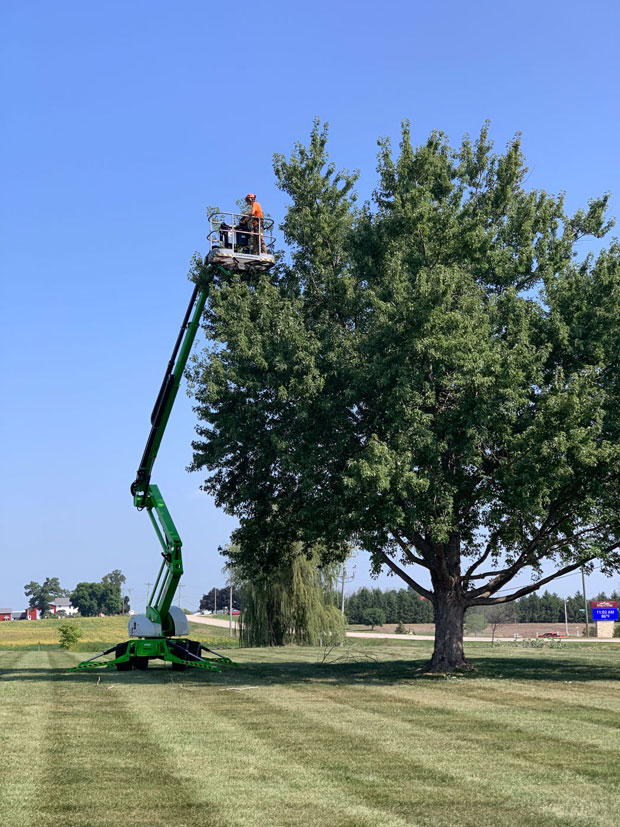
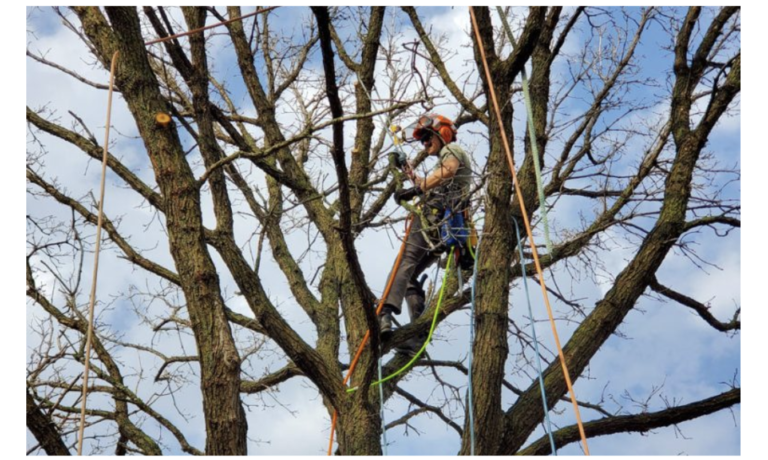
The solution may involve strategic tree pruning to allow more light and air to reach the lawn. Removing lower branches, a technique known as crown raising, can improve growing conditions for grass beneath the tree. Iowa State University Extension specifically recommends removing low-hanging branches to increase light and air circulation in shady lawn areas.
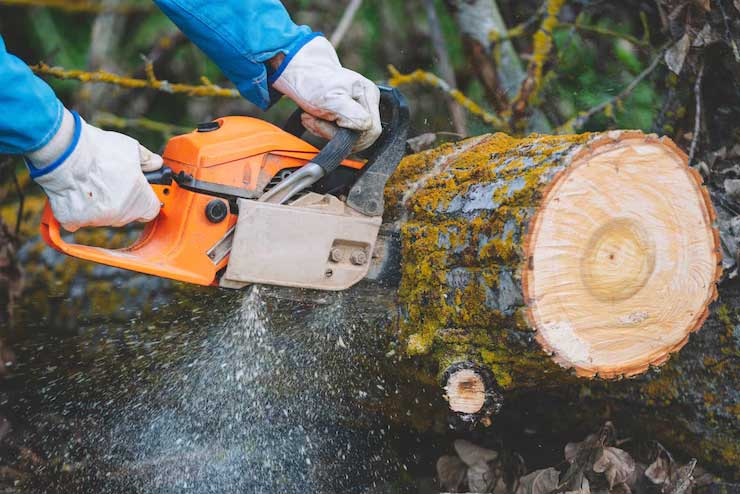
In some situations, a tree may need to be removed because it is dead, declining, hazardous, or no longer appropriate for its location. If tree removal is being considered, professional tree removal can help address the tree safely while allowing you to consider what should replace it.
If the yellow patches in your yard follow the areas shaded by your trees, shade and root competition may be contributing to the problem. A professional assessment can help determine whether pruning, removal, or a more shade-tolerant ground cover would be appropriate.
Watering Problems That Cause Yellow Grass
Both underwatering and overwatering can affect the appearance and health of your lawn, and it is not always easy to tell which problem you are dealing with.
Underwatered grass may develop a dull or bluish-green appearance before becoming dry and brown as stress continues. Footprints that remain visible after walking across the lawn can also indicate water stress.
Overwatering can create its own problems. Excess moisture can contribute to poor root health and create conditions that favor certain lawn diseases. If the soil remains saturated or you regularly see standing water, your lawn may be receiving more water than it needs.

The relationship between trees and lawn watering is also important. Trees and turfgrass can compete for available moisture, while dense canopies can change how much rainfall reaches the soil beneath them.
For most Iowa lawns, approximately 1 to 1½ inches of water per week is generally recommended during periods when supplemental irrigation is needed. Water deeply and infrequently rather than giving the lawn frequent, light applications. Early morning is the best time to water because it allows the water to soak into the soil while reducing evaporation.
Areas beneath trees may require closer attention because their growing conditions can differ from those of the rest of the lawn.
Soil and Nutrient Issues
Yellow grass can also be related to soil and nutrient conditions. Nitrogen deficiency is one possible cause of pale or yellow grass, although yellowing can have several different causes.
Iron deficiency can also cause yellowing in certain situations. Because nutrient problems can look similar to other lawn issues, a soil test can be useful when the cause is unclear.
Trees can affect the soil around them in several ways. Fallen leaves can contribute organic matter as they break down, but thick layers of leaves left on turf can block light and interfere with healthy grass growth. Iowa State University Extension recommends removing or shredding leaf debris so it does not completely cover the turf.
Tree roots can also compete with grass for water and nutrients, particularly in areas beneath large trees.
A soil test can help determine whether your lawn is actually lacking specific nutrients. Avoid applying fertilizer simply because the grass looks yellow, since adding nutrients without identifying the underlying problem may not solve the issue.
Compacted soil is another common lawn concern, especially in high-traffic areas. Core aeration can help relieve compaction and improve the movement of water and nutrients through the soil. Iowa State recommends September and April as good times to aerate Kentucky bluegrass and other cool-season lawns in Iowa.
Pests and Disease to Watch For
Sometimes yellow patches indicate a pest or disease problem rather than an issue with watering or tree shade.
Grubs, the larvae of Japanese beetles and other insects, feed on grass roots below the surface. Chinch bugs can also damage turf by feeding on grass plants, particularly in hot, dry areas.
Fungal diseases can cause yellow, brown, or discolored areas in lawns. The appearance of the affected grass can vary depending on the specific disease and environmental conditions.
Trees can contribute to conditions that affect lawn health by creating shaded areas with reduced air circulation. Proper pruning can increase light and air movement through these areas, which can help create better growing conditions for turfgrass.
If you suspect a pest or disease problem, examine the affected area closely. Look at the grass blades, roots, and surrounding soil for signs that may help identify the cause. If you are unsure what is affecting your lawn, consider contacting an appropriate lawn or plant health professional before applying a treatment.
When to Call Professionals
Some lawn problems can be addressed with proper watering, fertilization, and routine maintenance. Others require a closer look at the surrounding landscape. If you have adjusted your watering practices and addressed basic lawn care but the yellowing continues, it may be time to investigate other possible causes.
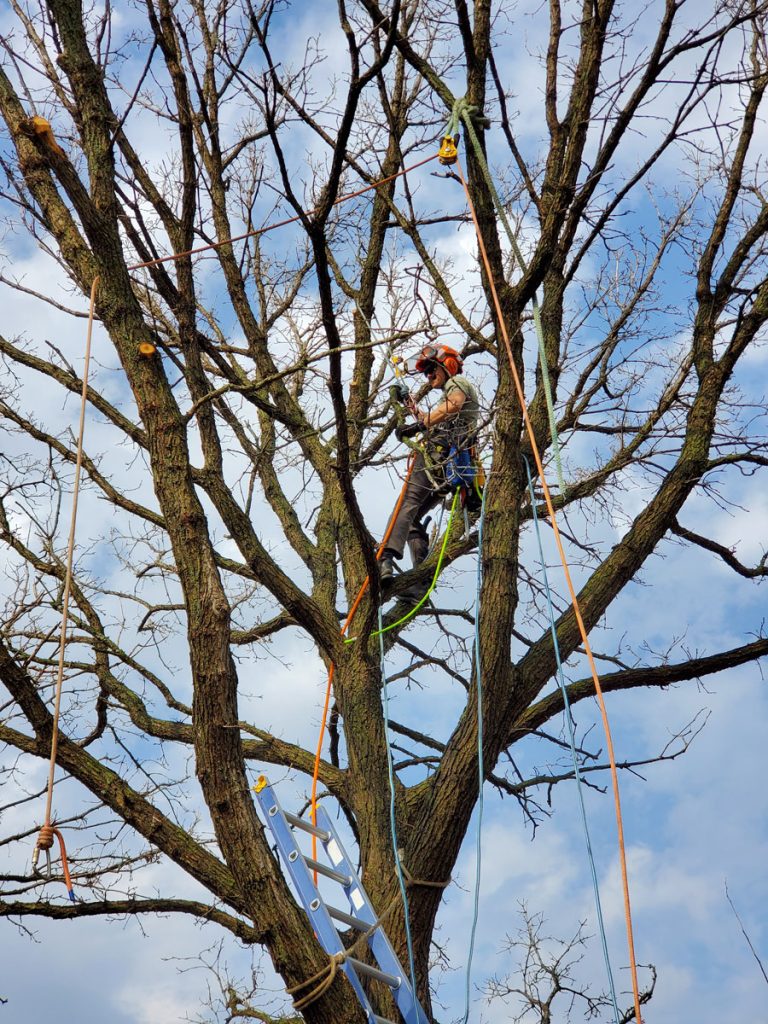
Tree-related lawn problems can benefit from professional evaluation. Determining whether a tree needs pruning or removal requires considering the tree’s species, condition, structure, location, and relationship to surrounding property.
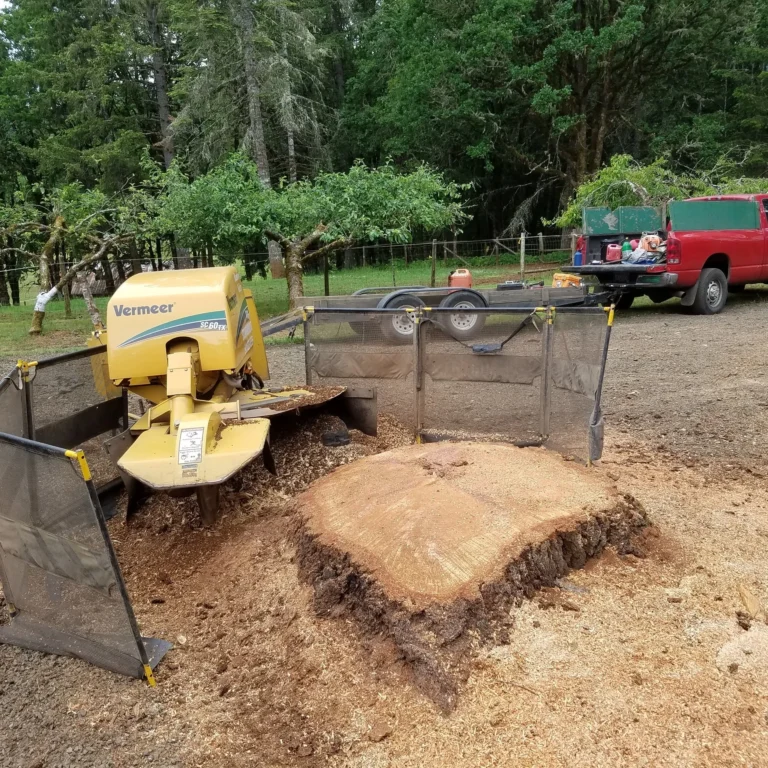
At Sure Wood Tree Service, we evaluate how your trees interact with your lawn, home, and overall property. Sure Wood provides tree pruning, tree removal, stump grinding, and tree planting services throughout Cedar Rapids, Marion, and surrounding Eastern Iowa communities.
Sure Wood was founded in 2020 following the August 2020 storm that caused widespread tree damage throughout Eastern Iowa. The company is insured, provides free estimates, and promotes sustainable tree care practices. Its environmental commitment includes planting two trees for every tree removed.
Whether your yellow lawn is related to shade, competing tree roots, or another lawn-care issue, identifying the actual cause is the first step. Sometimes the right solution may involve careful pruning to improve light and air circulation. In other situations, tree removal or planting a more suitable replacement may be appropriate.
A healthy yard is a balance between trees, grass, soil, and regular maintenance. Yellow patches do not always mean your lawn is beyond recovery. Understanding what is causing the discoloration can help you determine the right next step.
About Sure Wood Tree Service
Sure Wood Tree Service is a trusted tree care company serving Cedar Rapids, Marion, and communities throughout Eastern Iowa. Founded in 2020, the team provides professional tree removal, pruning, stump grinding, tree planting, and other tree care services with a strong focus on safety, sustainability, and environmental stewardship. With a commitment to the local community, Sure Wood works to protect properties while helping create a healthier, greener future.