
How To Spot Signs Your Ash Tree Needs Removal For Homeowners
Is that thinning canopy trying to tell us something important?
Ash trees are anchors for shade and street character. When they start to struggle, the change can be quiet at first and then abrupt. We wrote this guide to help clients read clear signs of decline, weigh risk with common sense, and decide when removal is the responsible choice. We keep this practical and homeowner friendly, with a few focused questions along the way.
Table Of Contents
- Why Ash Trees Slip From Healthy To Hazard
- Why Emerald Ash Borer Is The Leading Reason Ash Trees Need Removal
- When Removal Becomes The Responsible Call
- What To Expect During A Professional Removal
- When A Marginal Ash May Still Be Worth Saving
- Budget Notes That Influence The Plan
- What We Notice Competitors Also Emphasize
- Conclusion
- FAQs
Why Ash Trees Slip From Healthy To Hazard
Ash wood tends to lose strength once internal decay and pest damage set in. The outer bark can still look respectable while the interior begins to fail. City trees live with compacted soil, heat reflected from paving, and pruning legacies that create weak unions. All of that narrows the safety margin. We try to judge not just the tree but the whole scene around it.
What We Look For In The Big Picture
We step back and ask a few simple questions before any tools come out. Is the tree carrying a mostly full crown or does the upper third look sparse. Does the trunk show seams or long vertical cracks? Are there high value targets below the limbs like patios, driveways, or play areas. Do we see signs that pests have been active under the bark? If several answers lean the wrong way, we start planning for removal rather than long term rescue.
Why Emerald Ash Borer Is The Leading Reason Ash Trees Need Removal
If you live in Iowa and you’ve noticed your ash tree declining, there is a very high chance the cause is Emerald Ash Borer. EAB is an invasive beetle that has devastated ash tree populations across the Midwest, and it is now considered the single biggest threat to ash trees in the state. For homeowners, understanding what EAB does to a tree helps explain why removals have become so common and, in many cases, unavoidable.
EAB larvae burrow underneath the bark and feed on the inner tissues that move water and nutrients through the tree. Once this system is damaged, the tree slowly starves. Even a healthy-looking ash can be heavily infested because the earliest stages happen out of sight. By the time exterior symptoms appear, the internal damage is often too advanced for treatment to help.
Common EAB Indicators Homeowners Can Spot
While EAB usually starts its destruction long before symptoms show, certain signs are strong warnings that your ash tree may be infested and nearing the point where removal is the safest option.
Crown dieback
The canopy thins from the top down. Branches that were once full become sparse, brittle, or completely dead.
Epicormic shoots
New shoots appear on the trunk or lower branches as the tree struggles to compensate for internal damage.
Woodpecker activity
Woodpeckers strip bark in patches while hunting for EAB larvae. Heavy bark flaking is a major red flag.
D-shaped exit holes
As adult beetles emerge, they leave small, flat-sided exit holes about the size of a grain of rice.
Why EAB Leads To Rapid Decline
Once EAB becomes established in a tree, decline accelerates quickly. Most untreated ash trees die within a few years of infestation. The weakened structure becomes unpredictable and hazardous, especially during Iowa storms. Many cities and counties have already removed thousands of ash trees because dead ash wood becomes brittle, making failing limbs and full tree collapses more likely.
What This Means For Homeowners
For most ash trees in Iowa, the question isn’t whether EAB will arrive but when. If your ash is already showing symptoms or if neighboring trees have experienced decline, it’s important to act sooner rather than later. Early evaluation gives you more options, including determining if treatment is still viable or if removal is the safest path forward.
A Quick Reality Check You Can Try Today
Visually inspect your tree from a distance. Does the top look complete or scalloped? Walk around the base and scan for sawdust like frass. Watch birds pecking along the trunk for more than casual foraging. These small reads sharpen your sense of urgency.
When Removal Becomes The Responsible Call
We prefer preservation when it is realistic. Removal becomes the responsible path when the risk to people and property outweighs the benefits of keeping the tree standing. Here is how that usually takes shape in everyday yards.
Structural Red Flags That Carry More Weight
A crown that has lost roughly a third of its live growth points toward ongoing decline. Multiple large dead limbs over common spaces push the equation further. Trunk cracks combined with evidence of internal galleries suggest strength loss you cannot reverse with pruning. A lean that comes with fresh soil rupture near the root plate warns that support below ground is changing.
Timing That Matters For Safety
We often inspect ash condition most clearly in summer and early fall when foliage tells the truth about crown vitality. Winter storms then exploit weak points. If a storm season is near and the tree already shows late stage symptoms, a measured removal plan usually beats a rushed response after a break.
What To Expect During A Professional Removal
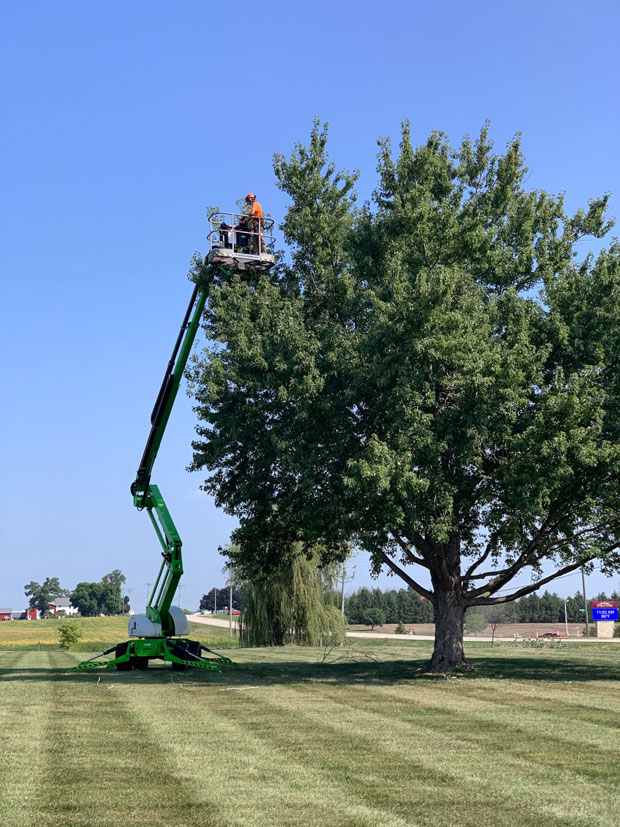
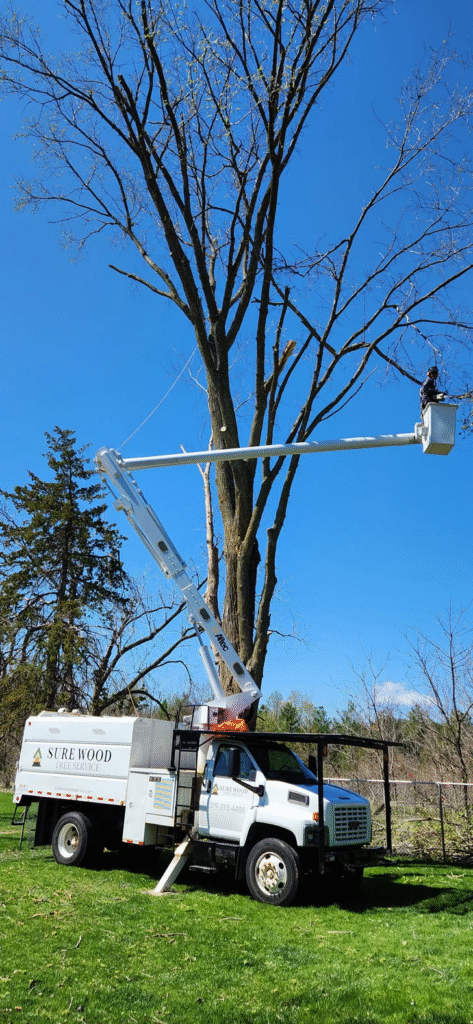
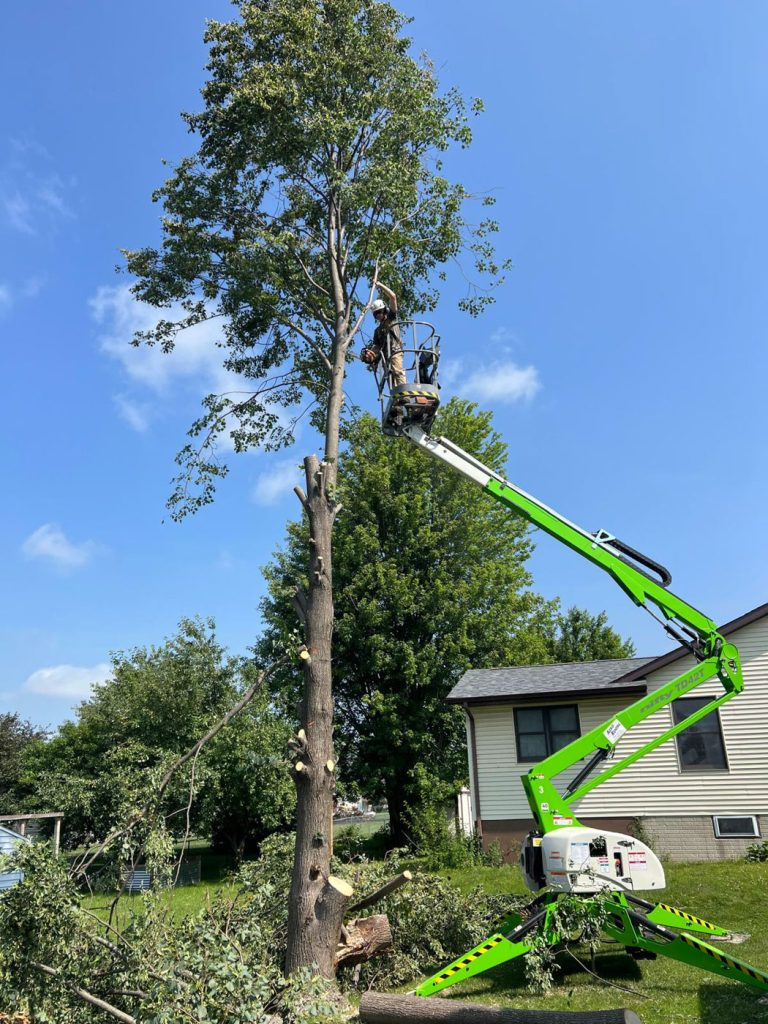
Clients value clarity about the process. We start with a site walk that maps targets on the ground and access routes in and out. In tight backyards we plan smaller pieces lowered on lines to protect fences, raised beds, and paving. Near utilities we confirm safe clearances and choose anchor points that keep rigging away from lines.
How We Keep Pieces Controlled
Where space allows, we guide limbs down through natural crotches or rigging blocks so each cut arrives safely on the ground. In narrow spaces we block stems into short sections and use tag lines to control swing. We keep cleanup steady so the site stays workable and neighbors can pass without detours. At the end we rake thoroughly and magnet sweep where old hardware may have dropped from the tree.
If you want a plain language walk through of a typical removal day, our overview of tree removal explains staging, rigging choices, and cleanup standards within real backyards and driveways. It is written to help homeowners plan without guesswork and you can find it within our service pages at Sure Wood Tree Service.
What Happens To Wood And Stumps
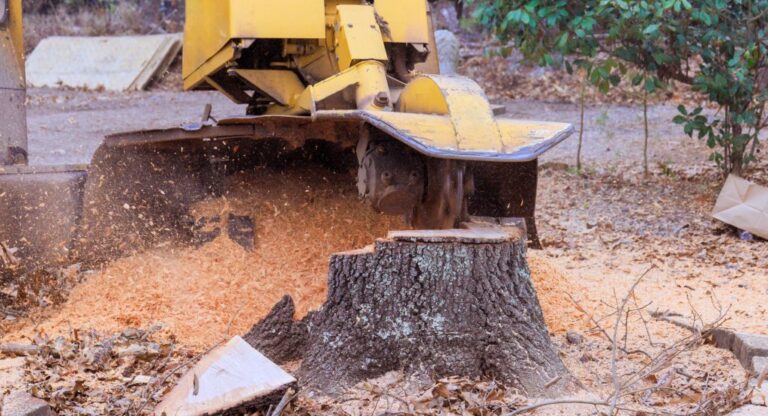
Many areas discourage moving ash firewood across county lines. We keep wood within approved zones and coordinate disposal that aligns with current guidance. For stumps, most residential yards choose grinding because it removes a tripping hazard and opens space for replanting. A low wildlife snag can make sense in select corners of a property though day to day use often favors a clean grade.
When A Marginal Ash May Still Be Worth Saving
Not every stressed ash is on a removal path today. We sometimes see mild canopy thinning without structural defects and without high value targets below. In those cases we talk about protective injections and pruning that removes deadwood while protecting good structure. The window is early and it closes once decline accelerates.
How We Frame Treatment Choices
Protective injections help when the tree still has a strong vascular system. We time work to match pest life cycles and we set clear expectations about results and maintenance.
Budget Notes That Influence The Plan
Costs rise with hazard, height, and access difficulty. A tall ash with brittle wood over a glass roof needs more rigging time than a similar tree over an open lawn. Planning before peak storm season can help because schedules are less compressed and the tree may still allow safer cuts. If a fence line or shared driveway is involved, a friendly heads up to neighbors smooths staging and shortens the day.
Replanting With Future Resilience In Mind
We encourage clients to think about replacement while planning removal. Diversity in species helps neighborhoods ride out future pest waves. We match new trees to soil conditions, light, and eventual size so roots and branches fit the space. If you want seasonal color, there are options that bring fall interest without constant cleanup. If you want deep deck shade, canopy shape and branch structure guide the pick.
What We Notice Competitors Also Emphasize
We read widely to keep our advice grounded in field practice. Reputable tree services consistently highlight the same early warnings for ash decline. Upper crown dieback, woodpecker activity, small exit holes, and trunk seams appear again and again in their homeowner guides. They also agree on a threshold where heavy dieback and structural defects shift the decision toward removal.
Where sources differ is in promises about late stage recovery. We caution clients against plans that claim full reversal once structure is compromised. Biology and wood mechanics both set limits.
Conclusion
Ash trees reveal their condition when we know what to look for. Crown dieback, trunk sprouts, bark splits, D-shaped exit holes, and heavy woodpecker activity are all strong indicators of Emerald Ash Borer damage. The surroundings of the tree matter too because a weakening limb over an open lawn poses far less risk than the same limb over a roof, driveway, or sidewalk. When decline is still early, targeted care may extend the tree’s life. Once decline becomes advanced, scheduling a safe and controlled removal is usually the most responsible option for protecting people and property. Our job is to help homeowners see the pattern clearly and to act with calm timing rather than rushed reaction.
FAQs
What Is The Quickest Way To Judge Ash Decline?
Look at the top third of the crown. If the canopy is thin and the tips look dead, then check the trunk for seams or exit holes. If both show up, schedule an assessment soon.
Can A Lightly Affected Ash Recover With Care?
Sometimes. If decline is mild and there are no structural hazards, a mix of pruning and targeted treatment can help. Once the tree shows heavy dieback, recovery is unlikely.
Is It Wise To Keep Firewood From A Removed Ash?
Keep ash wood local and follow current guidance about moving firewood. Many areas discourage transporting ash wood across county lines.
Which Season Makes Removal Safer Or Easier?
Removal happens year round. We plan around weather, site access, and neighborhood activity. Summer and early fall make crown condition easier to read.
Should I Grind The Stump Or Leave A Low Snag?
Grinding is the common choice in active yards because it removes a trip hazard and prepares the spot for replanting. A low snag can support wildlife in select corners but is less practical for most homes.